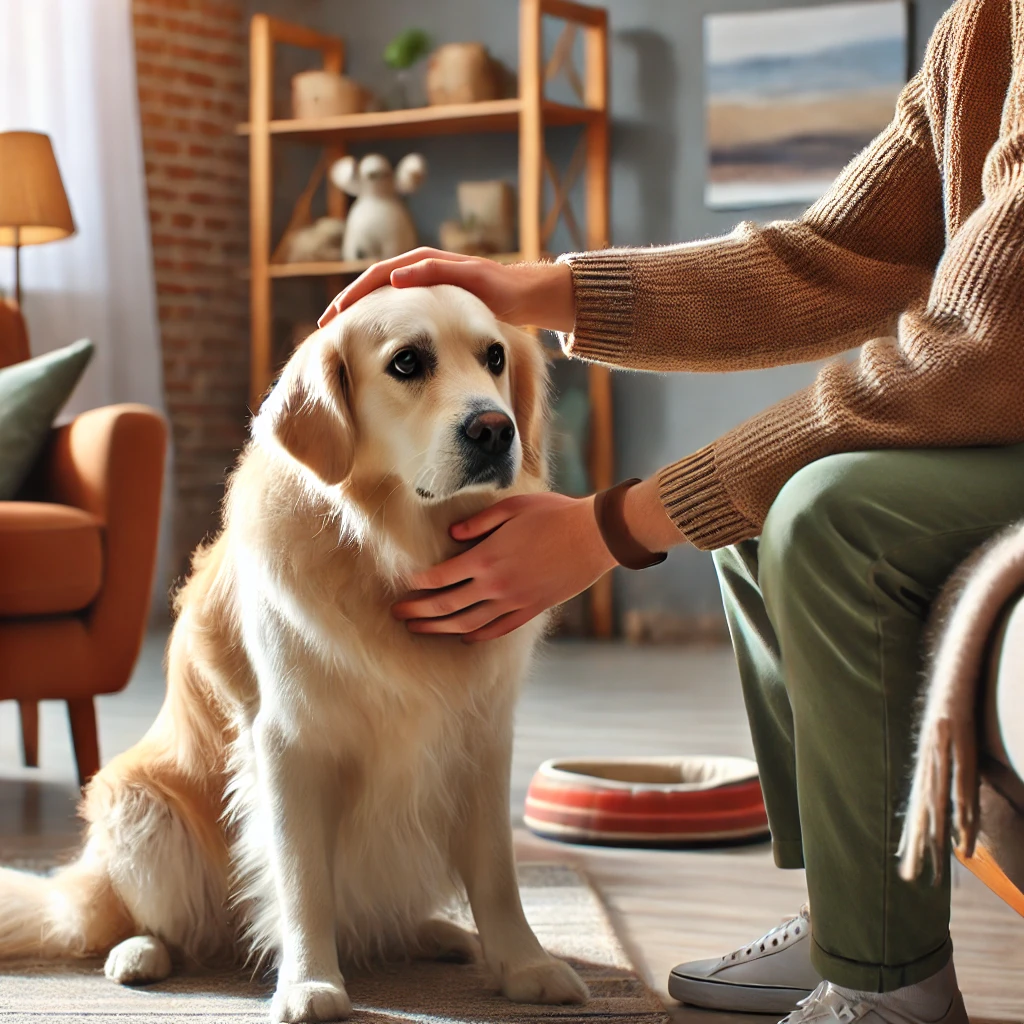
Understanding Separation Anxiety
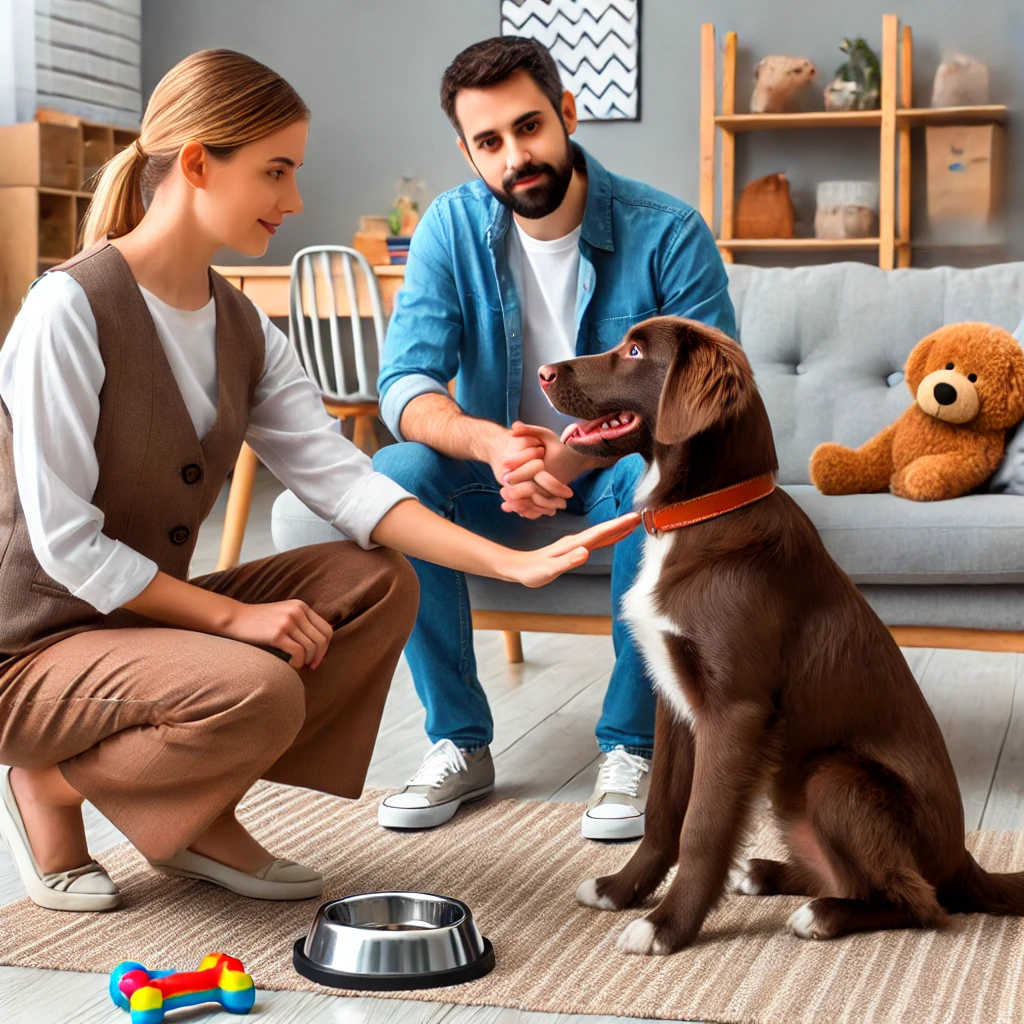
Separation anxiety in pets is a common issue that can cause significant distress for both the pet and the owner. It typically manifests when pets become overly anxious or stressed when left alone, leading to behaviors such as excessive barking, destructive chewing, and house soiling. Understanding the root causes and implementing effective strategies can help alleviate these symptoms and improve your pet's well-being.
Behavioral Signs
Pets with separation anxiety may exhibit a range of behaviors, including:
- Excessive barking or whining
- Destructive chewing or digging
- House soiling
- Pacing or restlessness
- Attempting to escape
Recognizing these signs early is crucial for effective intervention.
Gradual Desensitization
Gradual desensitization is a proven method for addressing separation anxiety. This technique involves slowly acclimating your pet to being alone, starting with very short periods and gradually increasing the duration.
Steps for Desensitization
- Start Small: Begin by leaving your pet alone for just a few minutes. Use a safe space like a crate or a designated room.
- Increase Gradually: Gradually increase the time you are away, always ensuring your pet remains calm.
- Consistency: Practice this routine multiple times a day to build your pet’s tolerance.
Practical Tip: Leave your pet with a favorite toy or treat when you step out. This creates a positive association with your departure.
Creating a Safe Space
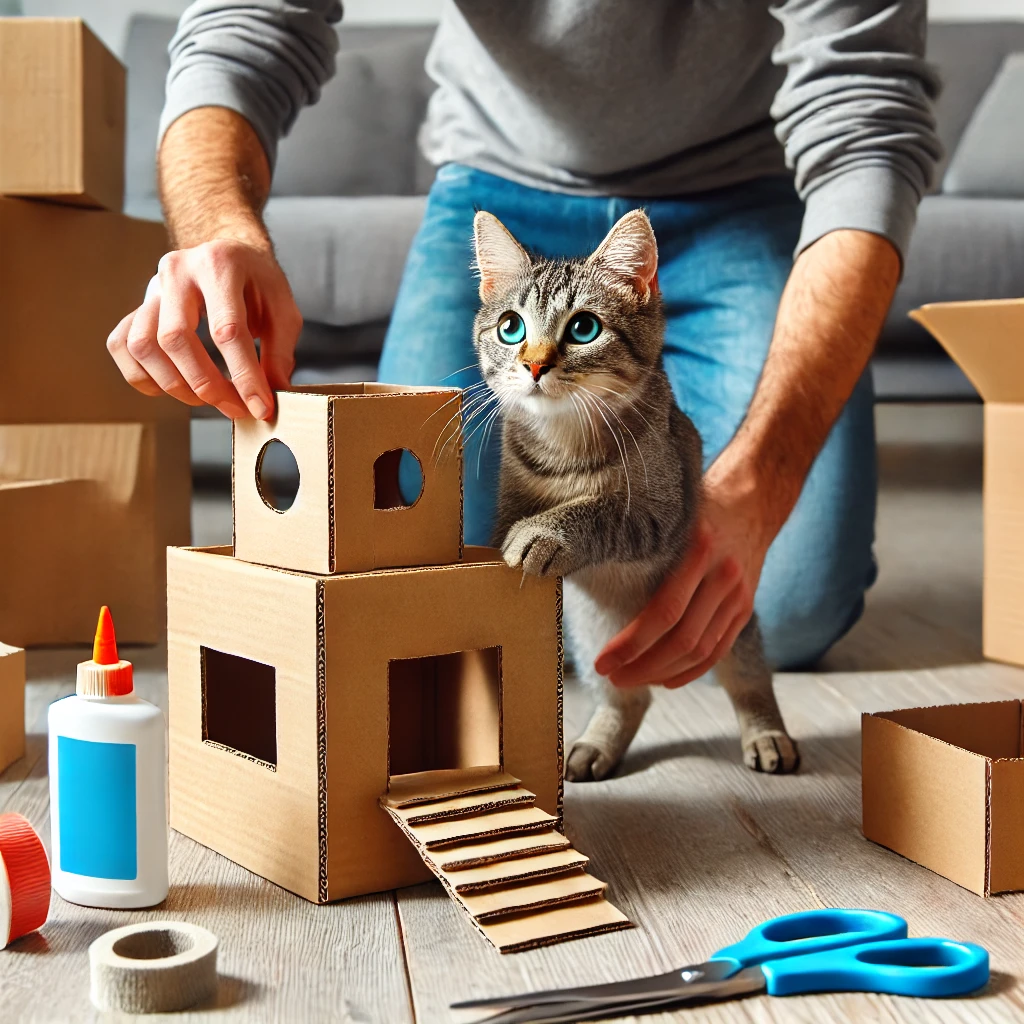
Providing a comfortable and secure environment for your pet can help reduce anxiety. This space should include their bed, toys, and some water, making it a sanctuary for relaxation.
Safe Space Essentials
- Comfortable Bedding: Ensure the space has a comfortable bed.
- Favorite Toys: Include toys that can keep your pet occupied.
- Water: Always have fresh water available.
Establishing a Routine
Pets thrive on routine. Establishing a consistent schedule for meals, walks, and alone time helps your pet understand and accept the times they will be alone.
Predictable Patterns
- Regular Feeding Times: Keep feeding times consistent.
- Exercise Schedule: Ensure regular exercise at the same times each day.
- Alone Time Routine: Incorporate short alone times into the daily routine.
Positive Reinforcement
Using positive reinforcement can significantly help in managing separation anxiety. Reward your pet for calm behavior and gradually increase the time they spend alone.
Rewards and Praise
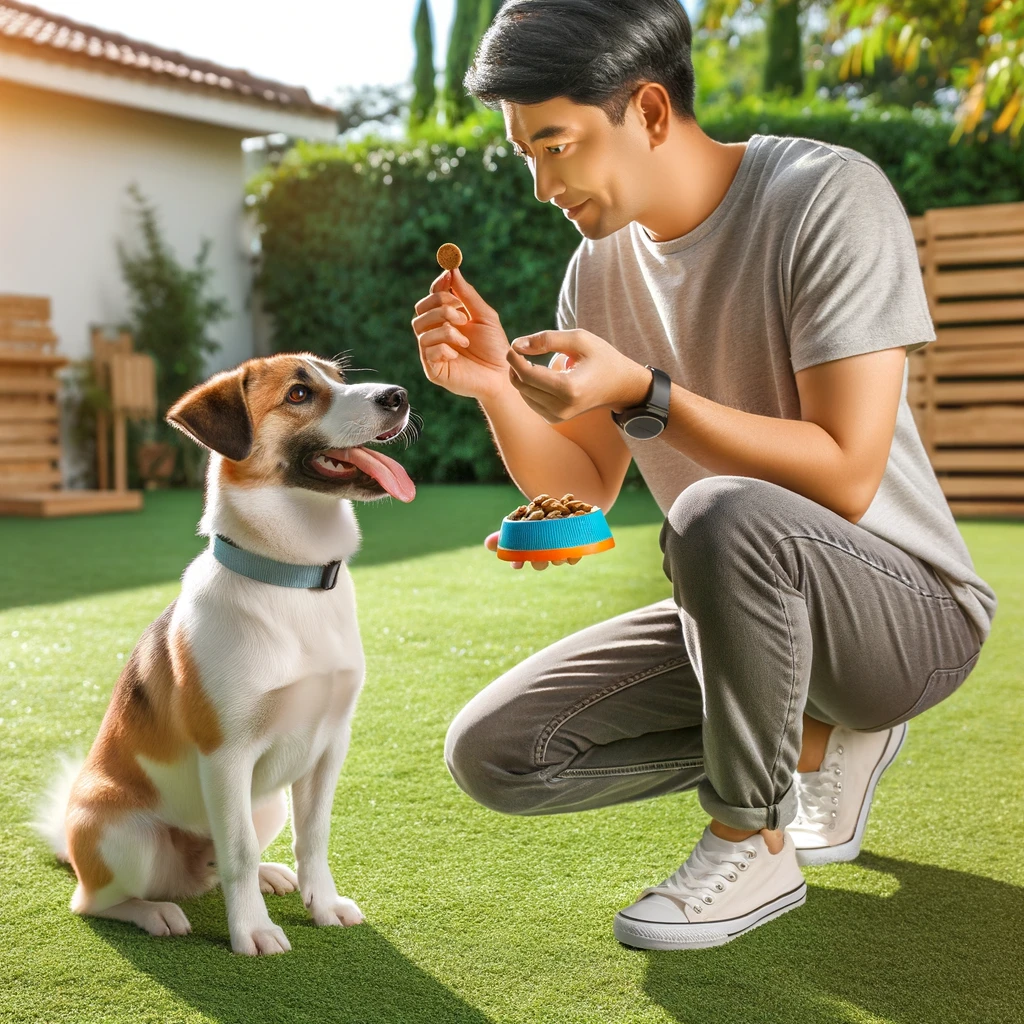
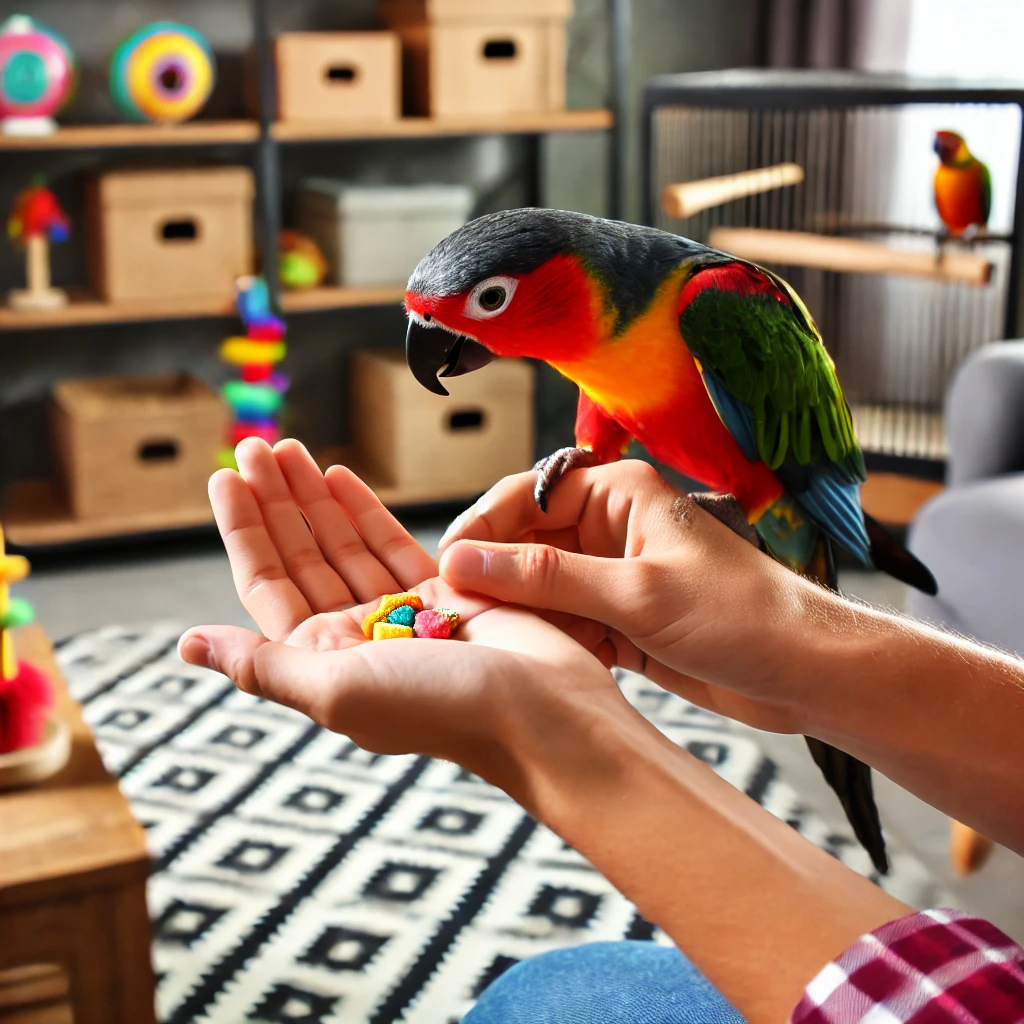
- Treats: Use high-value treats to reward calm behavior.
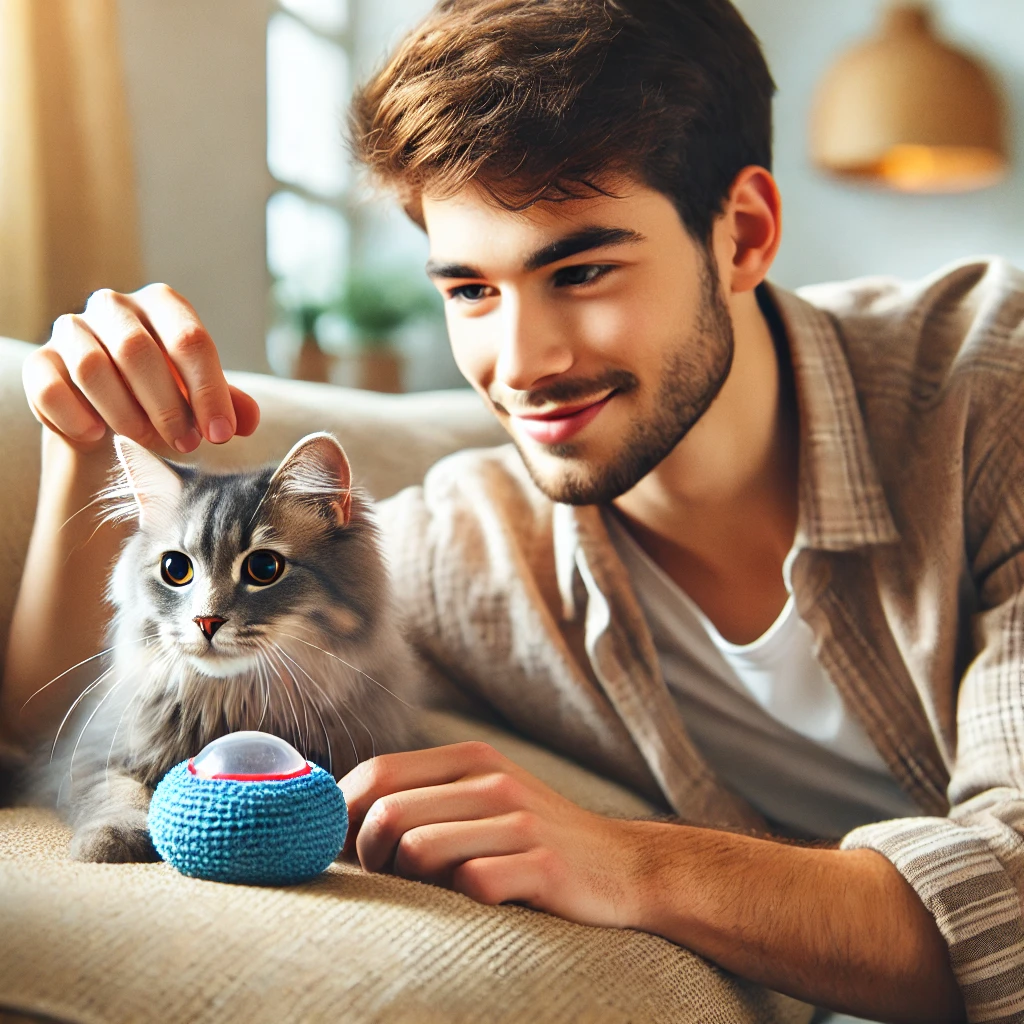
- Praise: Offer verbal praise and petting as positive reinforcement.
Interactive Toys and Puzzles
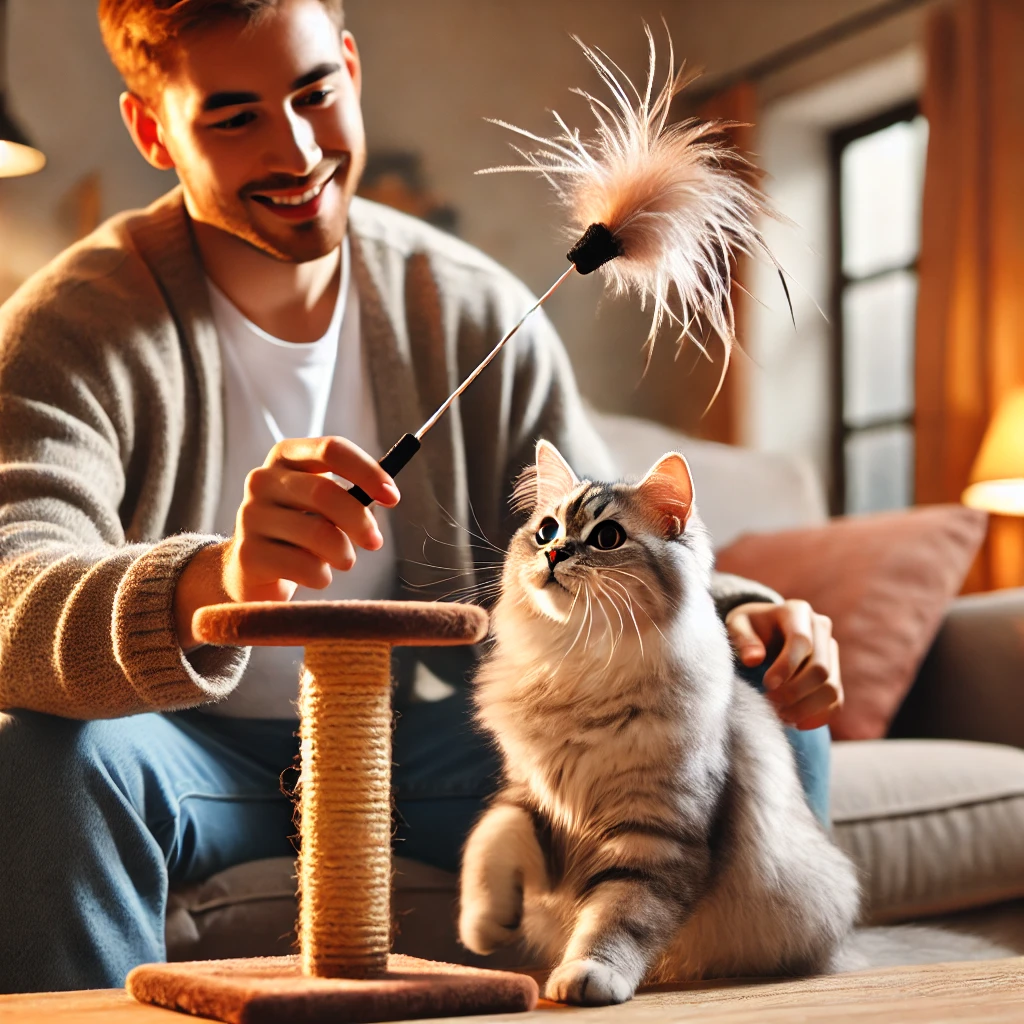
Keeping your pet mentally stimulated can reduce anxiety and prevent destructive behaviors. Interactive toys and puzzles can keep your pet engaged and occupied while you are away.
Engaging Activities
- Puzzle Toys: Toys that dispense treats as your pet interacts with them.
- Interactive Games: Games that challenge your pet’s mind and keep them occupied.
Managing Your Departure and Return
How you leave and return home can impact your pet's anxiety levels. Maintain a calm demeanor and avoid making a big fuss when leaving or returning.
Calm Departures
- No Prolonged Goodbyes: Leave calmly without making a fuss.
- Short and Sweet: Keep departures brief and uneventful.
Low-Key Returns
- Avoid Excitement: Greet your pet calmly upon return.
- Reinforce Calmness: Encourage and reward calm behavior when you come home.
Addressing Severe Cases
In severe cases of separation anxiety, professional help may be necessary. Consulting a veterinarian or an animal behaviorist can provide additional strategies and, if needed, medical intervention.
Professional Help
- Veterinary Consultation: Rule out medical causes and get advice on anxiety management.
- Behaviorist Intervention: Professional behaviorists can create tailored strategies for severe cases.
Case Study: Bella’s Journey Bella, a young Beagle, exhibited severe separation anxiety, marked by excessive barking and destructive behavior. Her owner consulted with a behaviorist who recommended a combination of gradual desensitization and interactive toys. Over a few months, Bella’s anxiety reduced significantly, highlighting the effectiveness of these methods.
Conclusion
Addressing separation anxiety in pets requires patience, consistency, and understanding. By implementing gradual desensitization, creating a safe space, establishing a routine, and using positive reinforcement, you can help your pet feel more comfortable and secure when left alone. With the right approach, your pet can learn to cope with alone time, leading to a happier, healthier life for both of you.