How to Care for Senior Pets: Tips and Advice
As pets age, their needs change, requiring special care and attention to ensure they continue to live happy and healthy lives. Senior pets often face various health challenges, but with the right approach, you can help them age gracefully. This article provides essential tips and advice for caring for senior pets.
1. Regular Veterinary Check-ups
A. Increased Frequency
Senior pets should visit the veterinarian at least twice a year for comprehensive check-ups. Regular visits help detect and address health issues early, improving the quality of life and longevity.
B. Diagnostic Tests
Routine diagnostic tests, including blood work, urine analysis, and dental exams, are crucial for monitoring your pet's health. These tests can identify conditions like kidney disease, diabetes, and dental problems that are more common in older pets.
2. Proper Nutrition
A. Balanced Diet
Senior pets often require a diet tailored to their changing nutritional needs. Specialized senior pet food formulations are available, providing the right balance of nutrients to support joint health, digestive function, and weight management.
- Dogs and Cats: Look for food rich in omega-3 fatty acids, antioxidants, and high-quality proteins.
- Rabbits: Continue with a high-fiber diet but monitor their weight and adjust portions as necessary.
B. Weight Management
Maintaining a healthy weight is critical to prevent obesity-related health issues. Monitor your pet's weight regularly and adjust their diet and exercise routine as needed.
3. Regular Exercise
A. Physical Activity
While senior pets may not be as energetic as their younger counterparts, regular, gentle exercise is essential to keep their joints flexible and muscles strong.
- Dogs: Short, frequent walks and low-impact play activities.
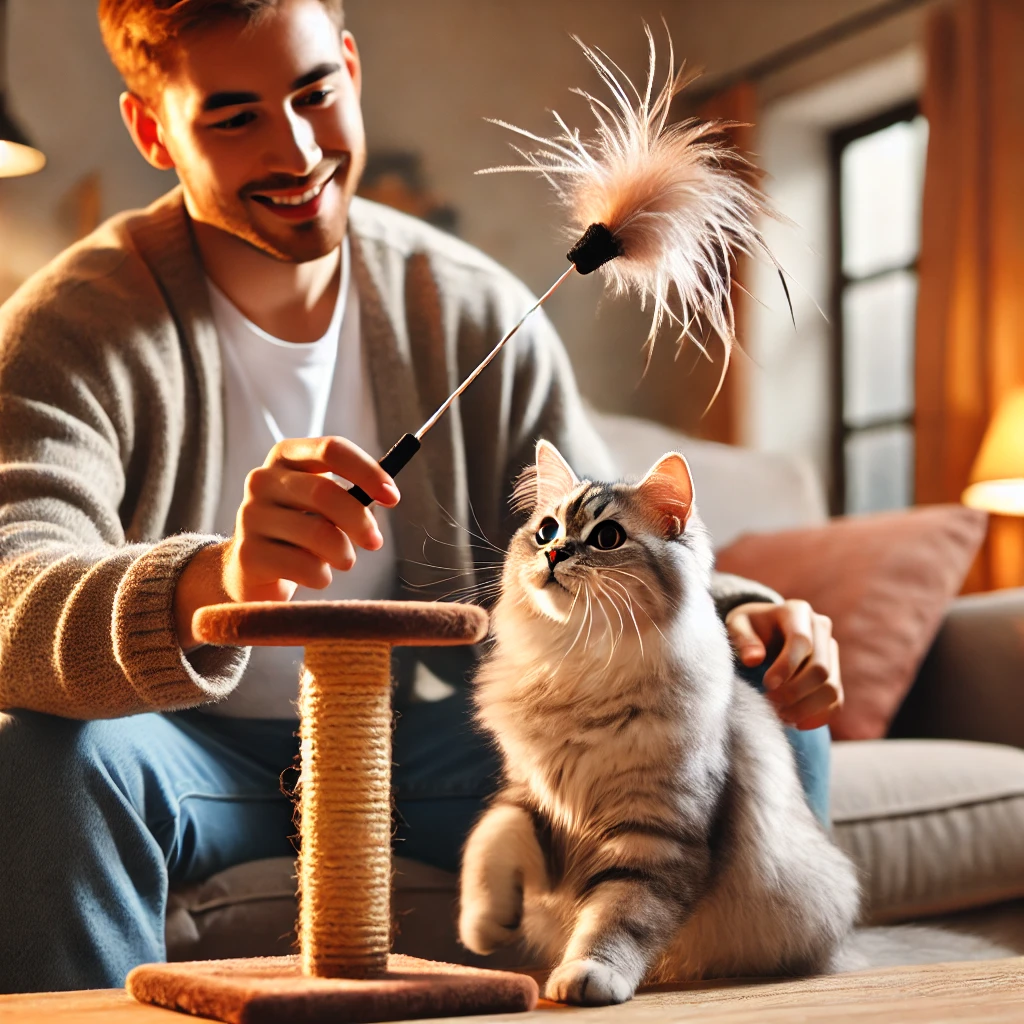
- Cats: Interactive play sessions with toys that encourage gentle movement.
- Rabbits: Safe spaces for exploration and movement.
B. Mental Stimulation
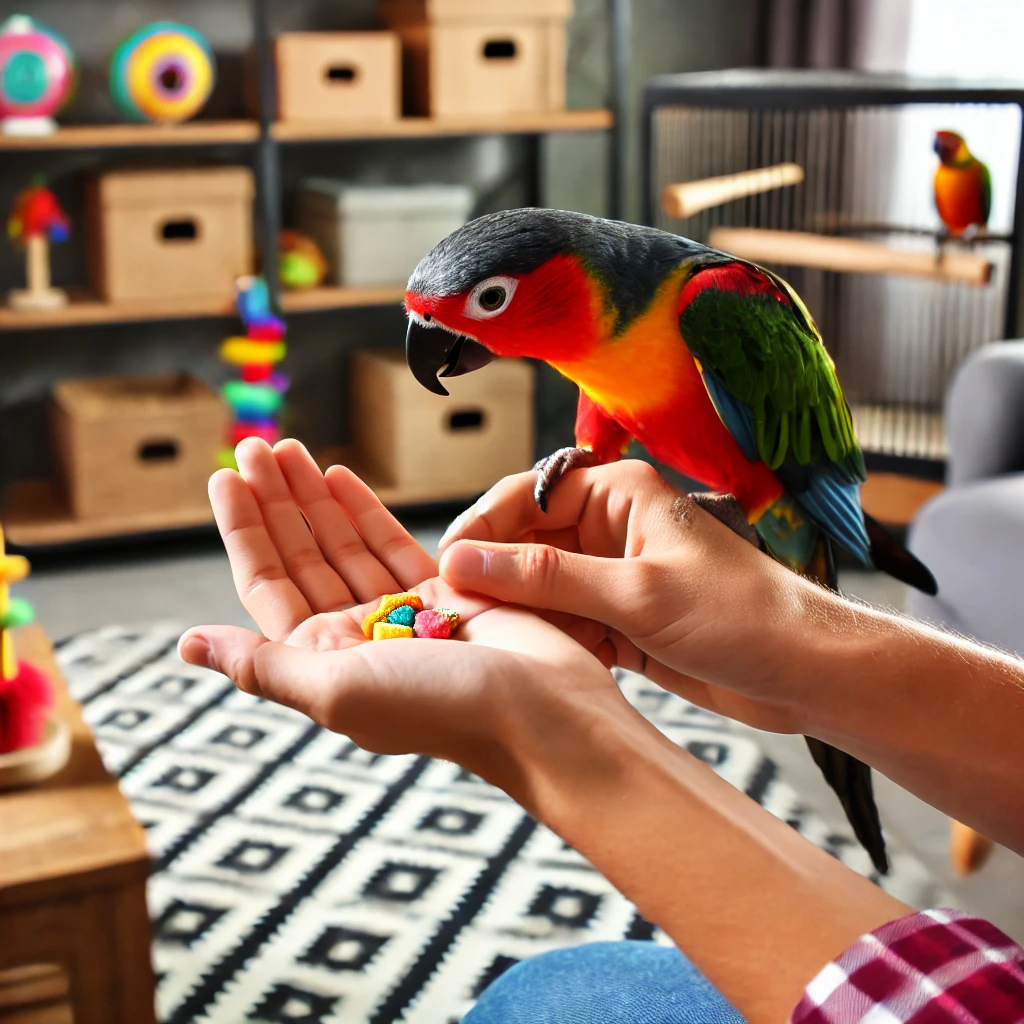
Mental exercise is just as important as physical activity. Engage your senior pet with puzzle toys, training sessions, and interactive play to keep their mind sharp.
4. Comfortable Living Environment
A. Accessibility
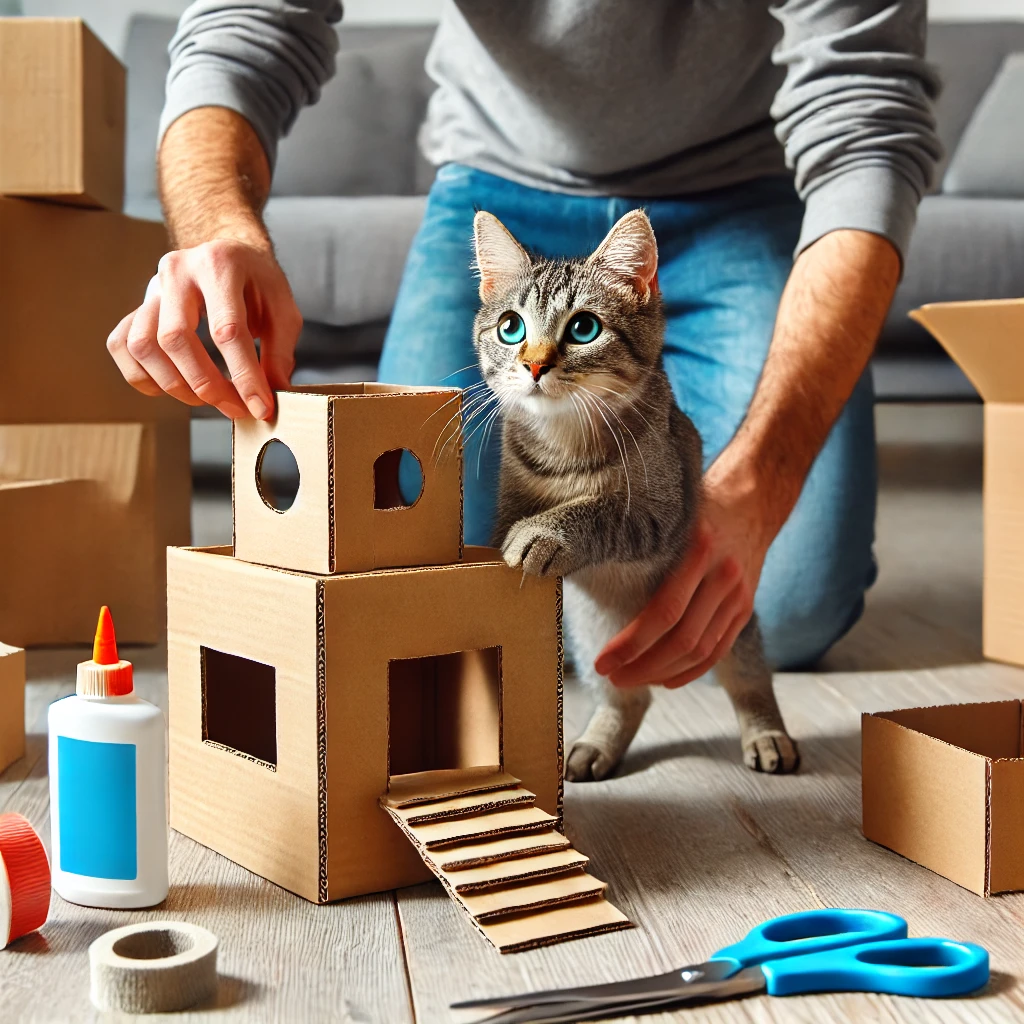
Make your home more accessible for your senior pet by providing ramps or steps to help them reach their favorite spots. Ensure their bedding is comfortable and supportive, particularly for pets with arthritis or other joint issues.
B. Temperature Control
Older pets can be more sensitive to temperature changes. Ensure their living environment is kept at a comfortable temperature and provide warm bedding in colder months.
5. Dental Care
A. Regular Brushing
Dental disease is common in senior pets and can lead to severe health problems. Brush your pet’s teeth regularly with pet-specific toothpaste to prevent plaque buildup.
B. Professional Cleanings
Schedule professional dental cleanings as recommended by your veterinarian to maintain your pet's oral health.
6. Monitoring Health Changes
A. Observing Behavior
Keep a close eye on any changes in your pet’s behavior, appetite, and activity levels. Subtle changes can indicate underlying health issues that need veterinary attention.
B. Managing Pain
Older pets may suffer from conditions like arthritis, which can cause chronic pain. Work with your veterinarian to develop a pain management plan, which may include medications, supplements, or alternative therapies like acupuncture.
7. Grooming and Hygiene
A. Regular Grooming
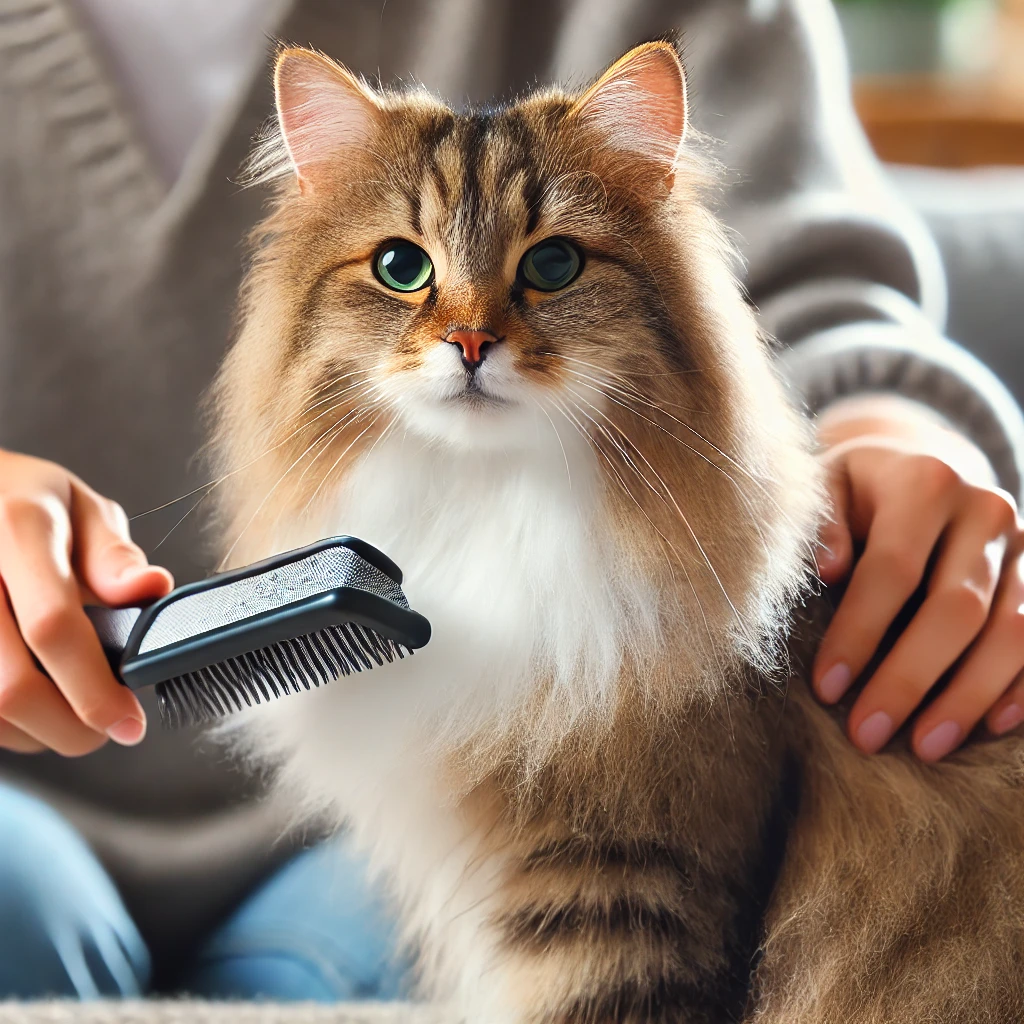
Regular grooming helps maintain your pet’s coat and skin health. For senior pets, grooming sessions also provide an opportunity to check for lumps, bumps, and other abnormalities.
- Dogs and Cats: Brush regularly to prevent matting and skin issues.
- Rabbits: Regular grooming to prevent hairballs and maintain coat health.
B. Nail Care
Keep your pet’s nails trimmed to prevent discomfort and mobility issues.
8. Emotional Well-being
A. Companionship
Senior pets still need plenty of love and companionship. Spend quality time with your pet, providing affection and attention to ensure they feel secure and loved.
B. Reducing Stress
Minimize changes to your pet’s routine and environment, as senior pets can be more sensitive to stress. Provide a calm, stable environment to keep them comfortable.
Conclusion
Caring for a senior pet requires a thoughtful approach that addresses their changing needs. Regular veterinary care, proper nutrition, gentle exercise, and a comfortable living environment are essential for their well-being. By paying attention to these areas, you can help your senior pet enjoy their golden years with health and happiness.
This article is intended as a general guide. For personalized advice and care, always consult with your veterinarian.