Understanding the Need for Alone Time
Training your pet to be comfortable when left alone is essential for their well-being and for your peace of mind. Many pets experience separation anxiety, which can lead to destructive behaviors and emotional distress. Understanding why pets struggle with being alone and addressing this issue with thoughtful training can significantly improve their quality of life.
Behavioral Characteristics
Pets that are not comfortable being alone may exhibit behaviors such as excessive barking, whining, chewing, or scratching. They may also show signs of anxiety like pacing, drooling, or trying to escape. Recognizing these signs early is crucial for effective intervention.
Gradual Desensitization
One of the most effective methods for training your pet to be alone is gradual desensitization. This involves slowly increasing the time your pet spends alone, allowing them to adjust at their own pace.
Starting Small
Begin by leaving your pet alone for very short periods. Step out of the room for a few minutes while your pet remains inside. Gradually increase the duration as your pet becomes more comfortable.
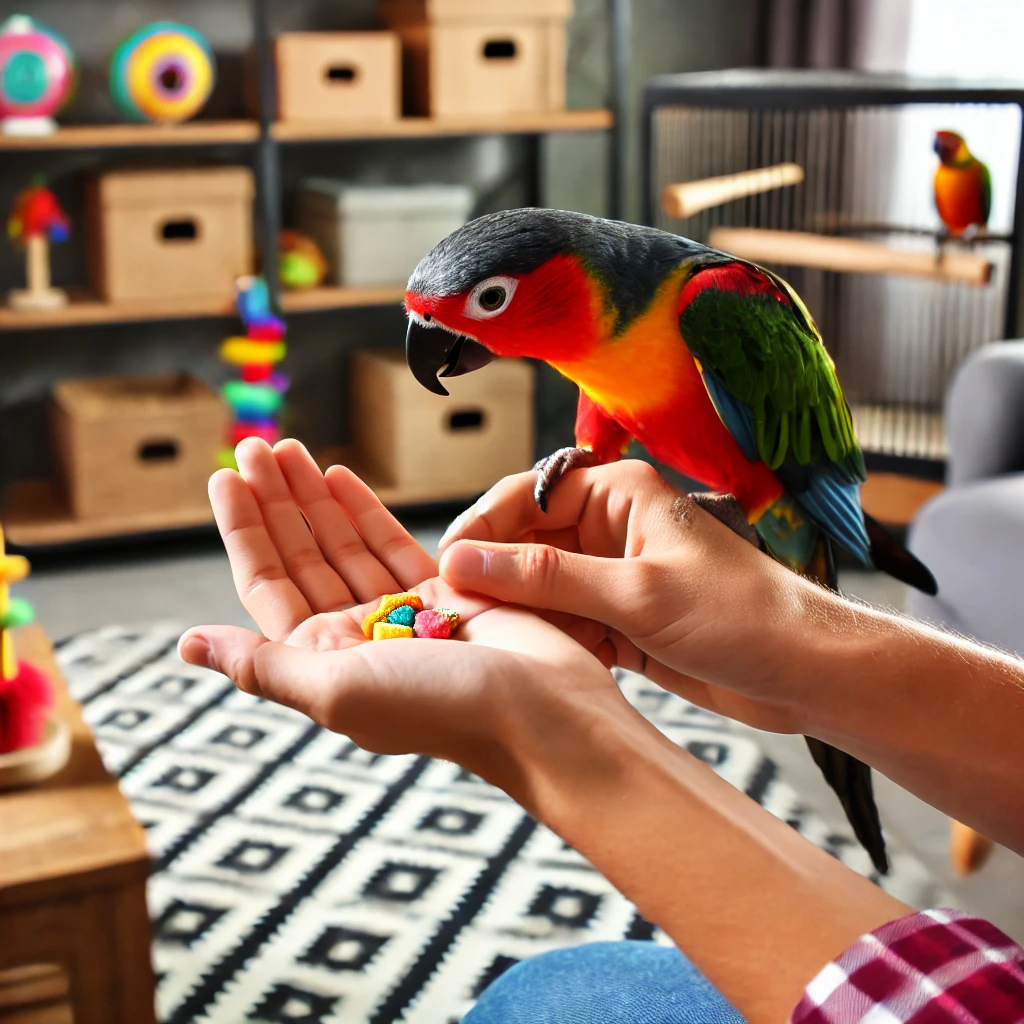
Practical Tip: Leave your pet with a treat or toy when you step out. This creates a positive association with your departure and helps distract them.
Creating a Safe Space
Providing a safe, comfortable space for your pet can help them feel secure when alone. This could be a specific room or a crate, depending on your pet's preferences and needs.
Safe Space Essentials
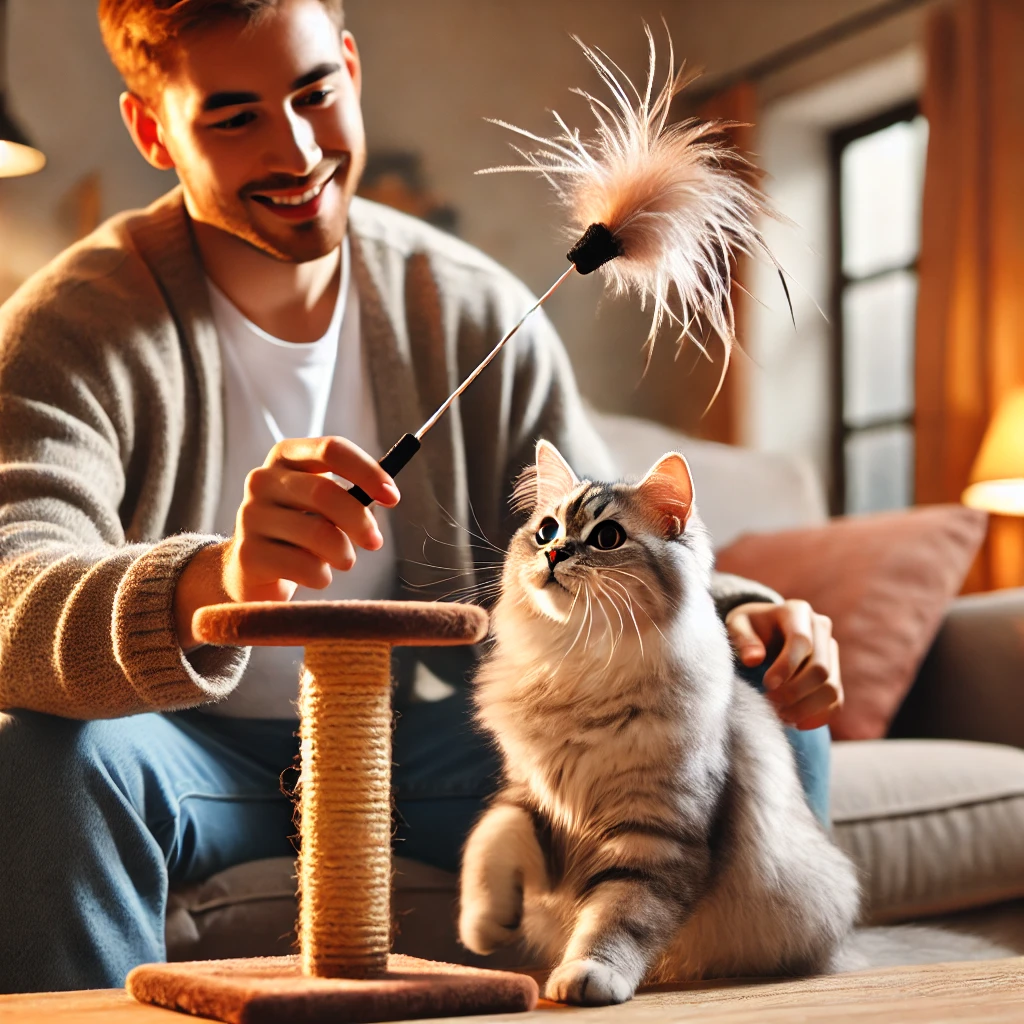
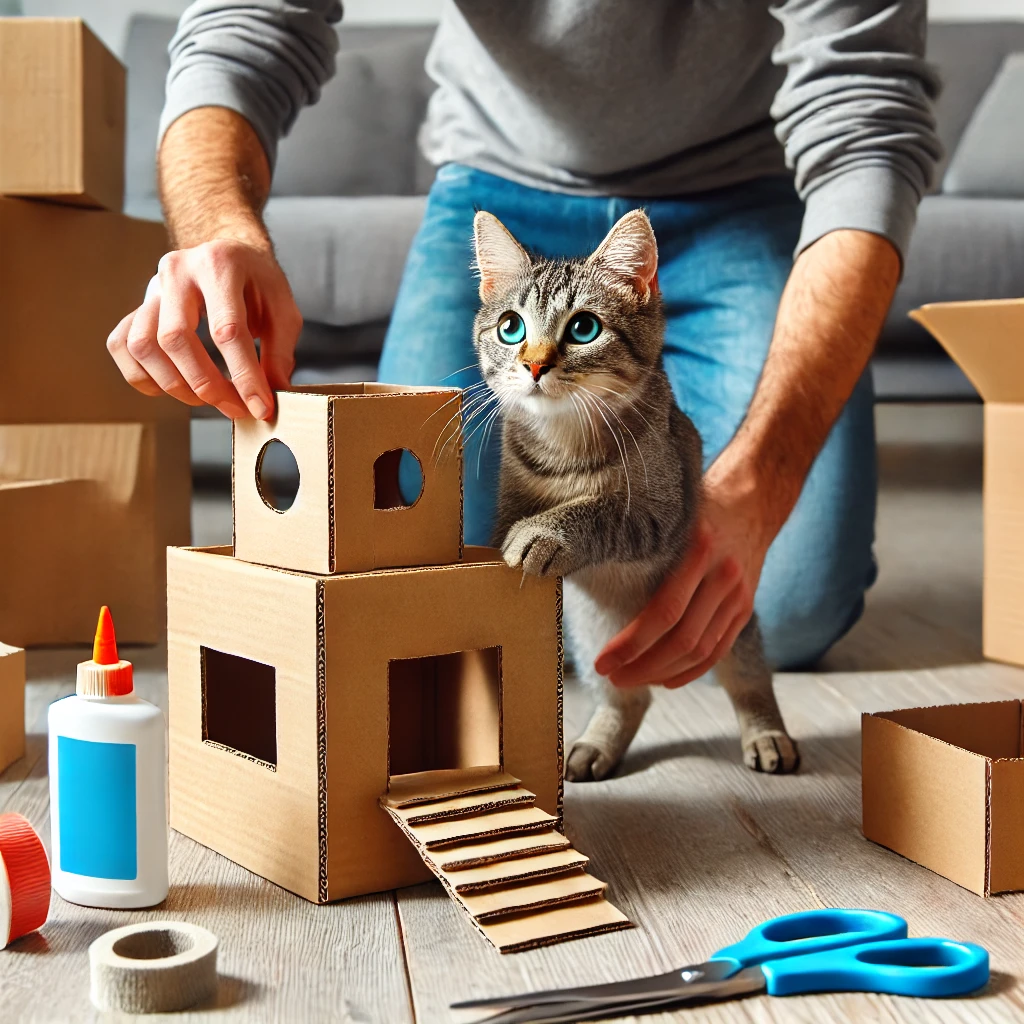
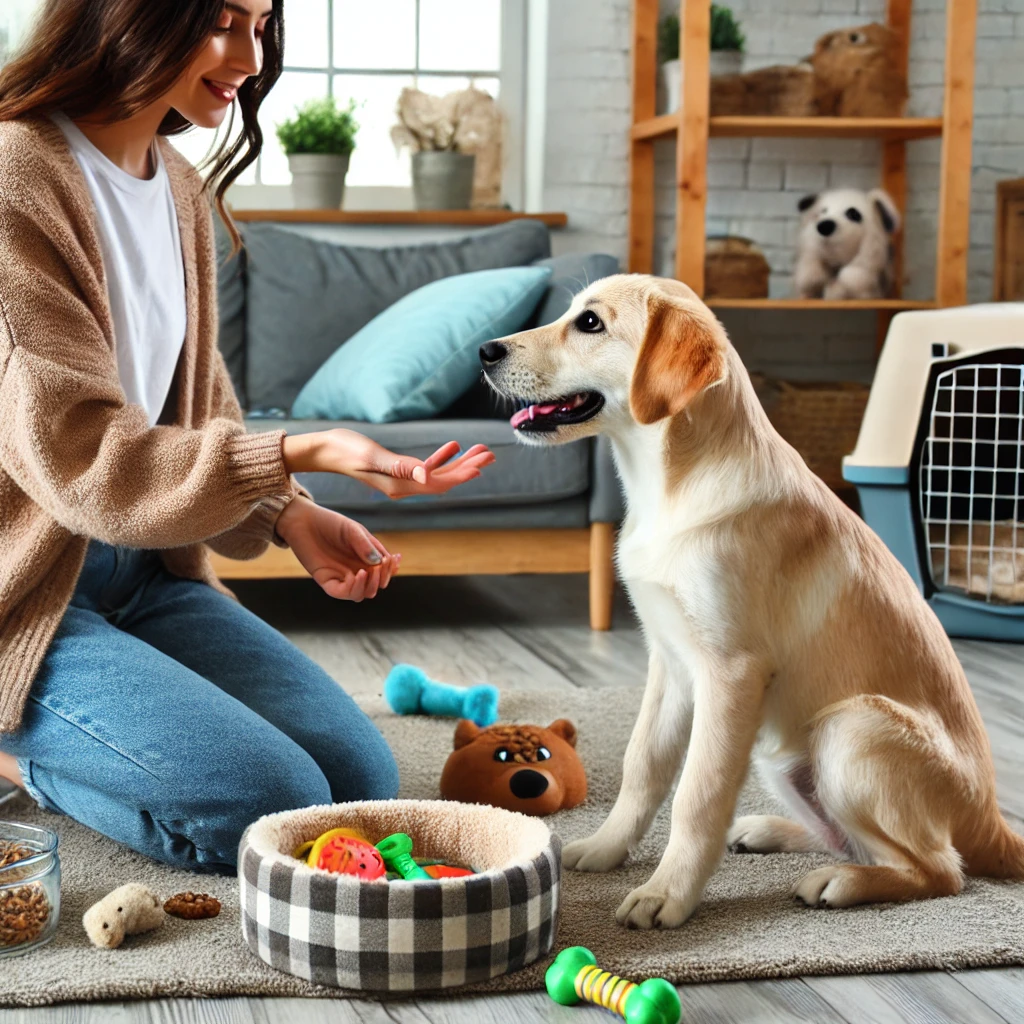
Ensure the space includes your pet's bed, favorite toys, and some water. For dogs, a crate can provide a den-like environment that offers security. For cats, a quiet room with hiding spots and scratching posts can be ideal.
Establishing a Routine
Pets thrive on routine. Establishing a consistent schedule for meals, walks, and alone time can help your pet understand and accept the times they will be alone.
Predictable Patterns
Maintain regular feeding and exercise schedules. Predictable patterns reduce anxiety as pets learn to anticipate daily events, including when they will be alone.
Using Positive Reinforcement
Positive reinforcement is crucial in training your pet to be alone. Reward your pet for calm behavior and gradually increase the time they spend alone as they show progress.
Rewards and Praise
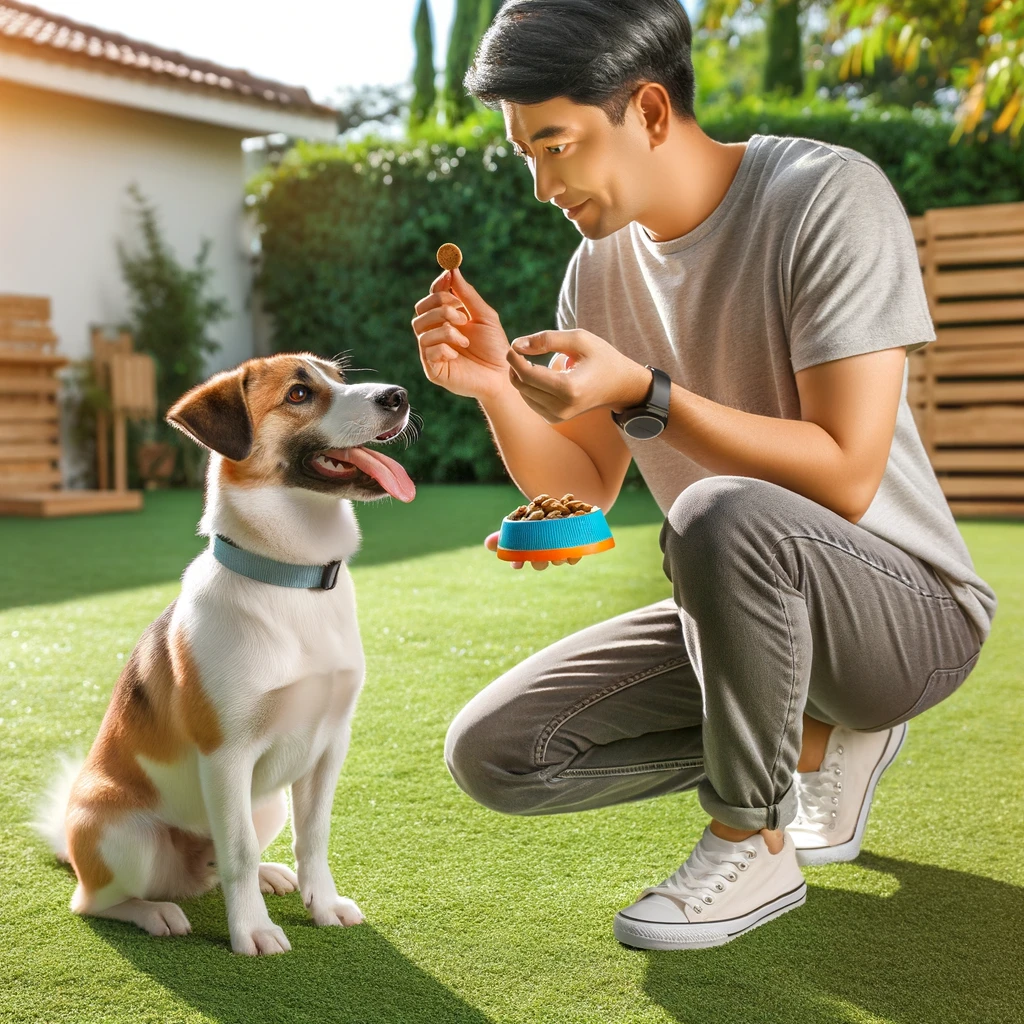
Use treats, toys, and praise to reward your pet for staying calm when left alone. Gradually extend the time you are away, ensuring your pet remains comfortable throughout the process.
Case Study: Bella’s Progress Bella, a young Labrador, experienced severe separation anxiety. Her owner started leaving her alone for just five minutes, gradually increasing to an hour over several weeks. With each successful increment, Bella received her favorite treat. Over time, Bella learned to stay calm and relaxed when left alone, highlighting the effectiveness of gradual desensitization and positive reinforcement.
Addressing Separation Anxiety
Separation anxiety is a common issue that requires patience and understanding. If your pet shows severe signs of distress, it may be necessary to consult a veterinarian or a professional animal behaviorist.
Identifying Anxiety Triggers
Observe your pet to identify specific triggers that cause anxiety. This could be the sound of keys, the sight of a suitcase, or specific times of the day. Understanding these triggers can help you develop a targeted training plan.
Professional Help
In severe cases, professional intervention may be necessary. Animal behaviorists can provide tailored strategies and, if needed, a veterinarian may prescribe medications to help manage anxiety.
Interactive Toys and Puzzles
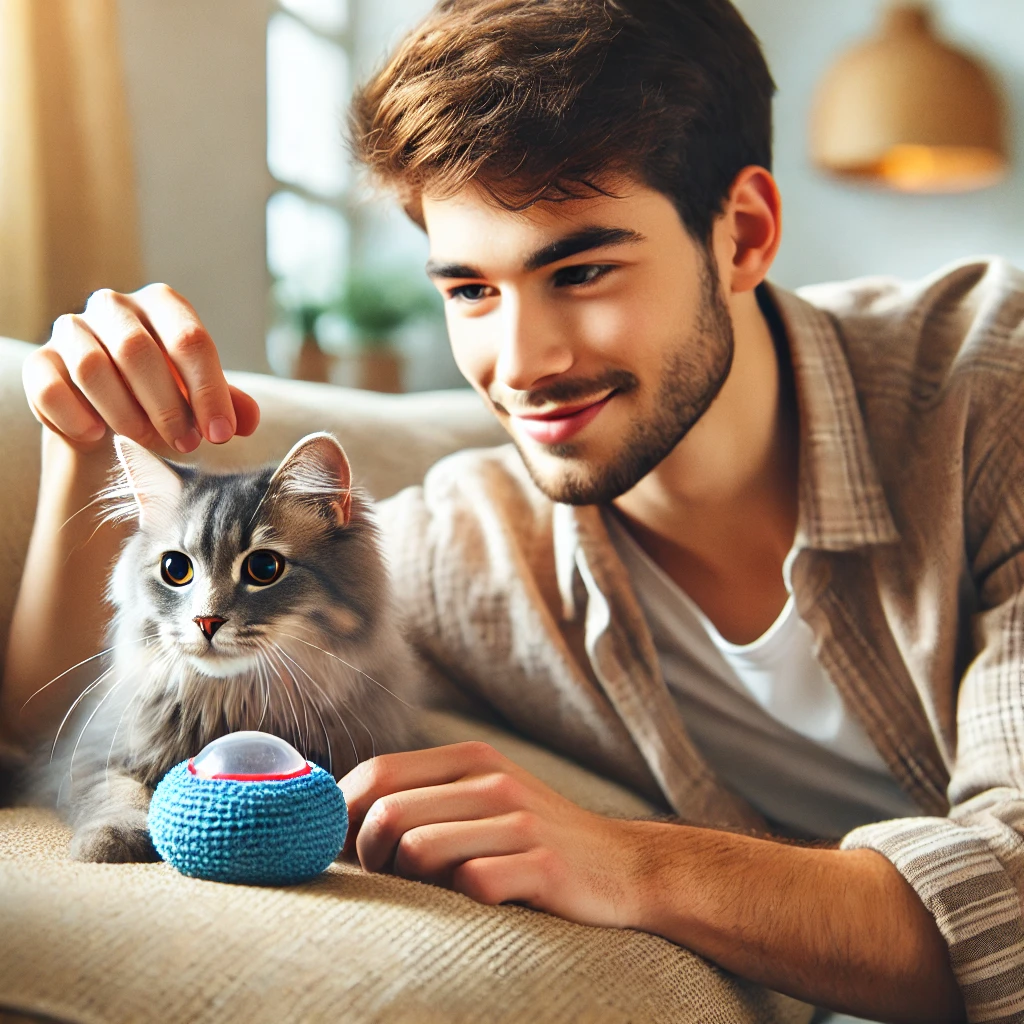
Keeping your pet mentally stimulated when alone can reduce anxiety and prevent destructive behaviors. Interactive toys and puzzle feeders can keep your pet engaged and occupied.
Engaging Activities
Provide toys that challenge your pet and require problem-solving. Puzzle feeders that dispense treats as your pet interacts with them can be particularly effective for dogs and cats.
Managing Your Departure and Return
How you leave and return home can impact your pet's anxiety levels. Maintain a calm demeanor and avoid making a big fuss when leaving or returning.
Calm Departures
Leave the house calmly without prolonged goodbyes. This helps prevent your pet from becoming anxious as they anticipate your departure.
Low-Key Returns
When you return, greet your pet calmly. Excited greetings can reinforce anxiety, as your pet might associate your return with an end to their distress.
Regular Exercise and Socialization
Ensuring your pet gets enough physical exercise and socialization can significantly reduce anxiety. A tired pet is more likely to relax and rest when alone.
Daily Exercise
Incorporate regular walks, play sessions, and interaction with other pets into your pet's routine. This helps expend their energy and promotes overall well-being.
Practical Tip: A brisk walk or a vigorous play session before leaving your pet alone can help them settle down and rest more easily.
Conclusion
Training your pet to be comfortable when alone requires patience, consistency, and understanding. By implementing gradual desensitization, creating a safe space, establishing a routine, and using positive reinforcement, you can help your pet feel secure and confident even when you're not home. With the right approach, your pet can learn to enjoy their alone time, leading to a happier, healthier life for both of you.