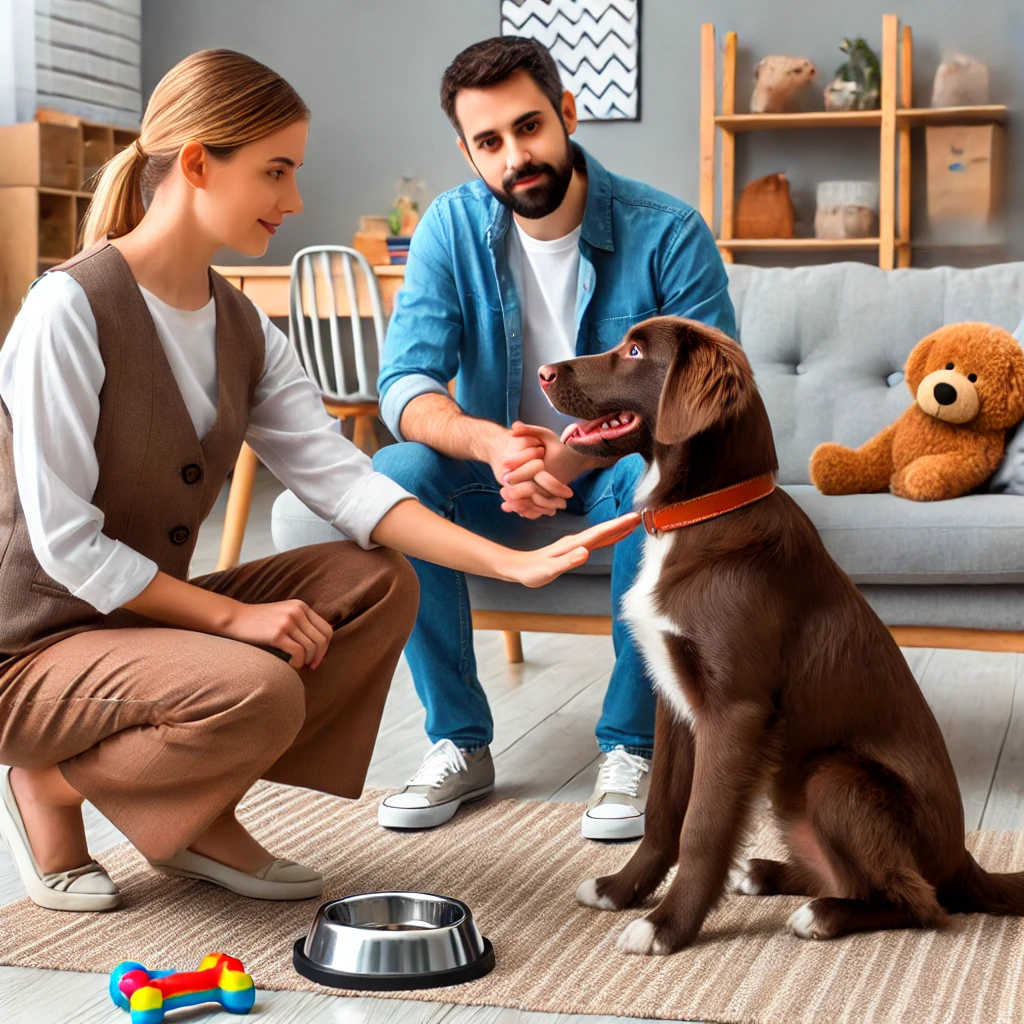
Leash training your pet is essential for safe and enjoyable walks. Whether you have a dog or a cat, these techniques will help your pet learn to walk confidently on a leash:
Choose the Right Equipment
Proper Leash and Collar
- Step 1: Select a sturdy leash and a comfortable, well-fitting collar or harness for your pet. For dogs, a standard six-foot leash works well. For cats, a lightweight, adjustable harness is ideal.
- Step 2: Ensure the collar or harness is secure but not too tight. You should be able to fit two fingers between the collar and your pet’s neck.
Real-life Example: A front-clip harness for dogs can help reduce pulling and make walks more manageable.
Start Indoors
Initial Training
- Step 1: Begin leash training indoors where there are fewer distractions. Attach the leash to your pet’s collar or harness and let them get used to the feeling of the leash.
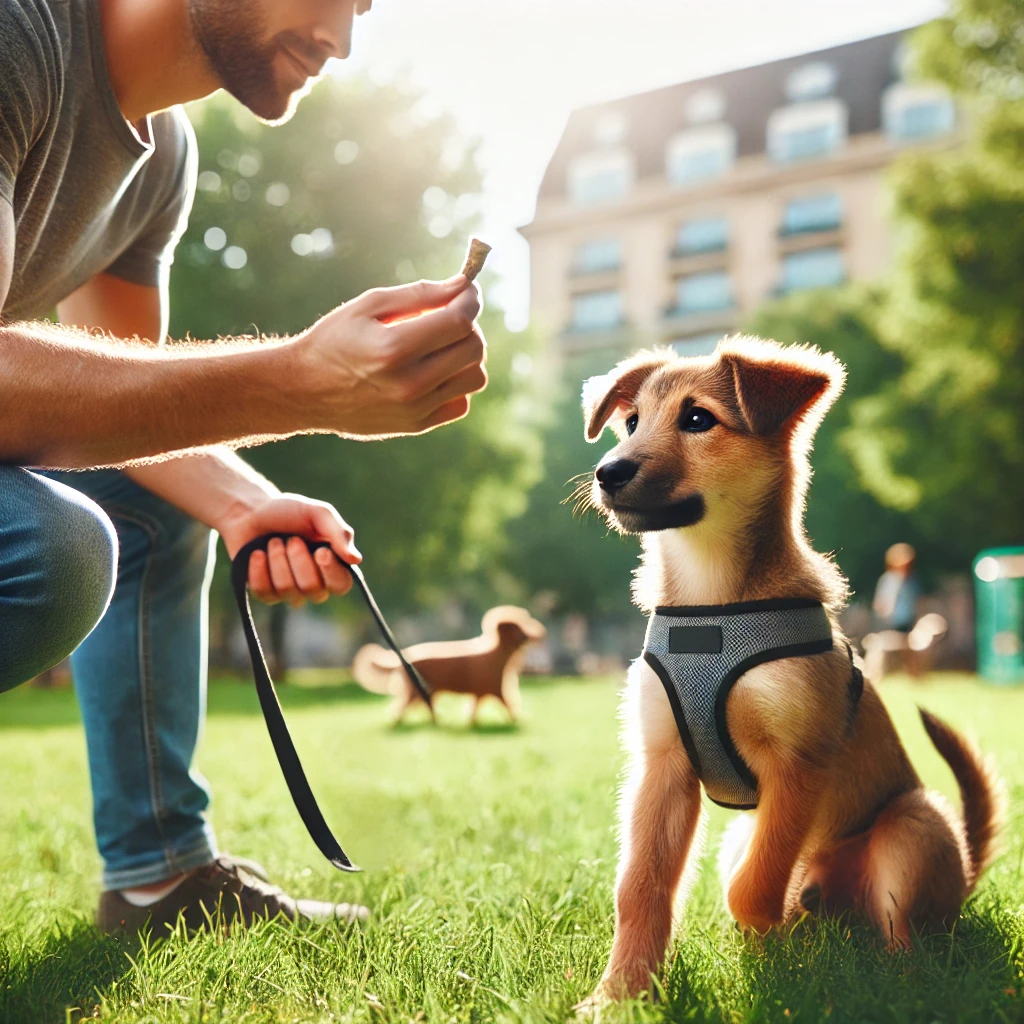
- Step 2: Encourage your pet to follow you around the house using treats and praise.
Motivational Tip: Use high-value treats that your pet loves to keep their attention and make the experience positive.
Teach Basic Commands
Foundation Skills
- Step 1: Teach your pet basic commands like “sit” and “stay” before starting leash training. These commands will help you manage your pet during walks.
- Step 2: Practice these commands with the leash on, rewarding your pet for following instructions.
Short Practice Sessions
Building Confidence
- Step 1: Keep initial leash training sessions short, around 5-10 minutes. Gradually increase the duration as your pet becomes more comfortable.
- Step 2: Practice several times a day to reinforce learning and build confidence.
Real-life Example: Take a few minutes each morning and evening to practice walking around the living room or backyard with the leash on.
Move to a Controlled Outdoor Environment
Gradual Exposure
- Step 1: Once your pet is comfortable indoors, move to a quiet, fenced area outside. Let your pet explore while keeping the leash loose.
- Step 2: Gradually introduce more stimuli, such as other people or pets, while maintaining a calm and positive demeanor.
Address Pulling
Correcting Behavior
- Step 1: If your pet pulls on the leash, stop walking and stand still. Wait until they return to you or loosen the leash before continuing.
- Step 2: Use the “heel” command to encourage your pet to walk beside you. Reward them with treats and praise for walking calmly at your side.
Motivational Tip: Consistency is key. Each time your pet pulls, stop and wait. They will learn that pulling does not get them where they want to go.
Positive Reinforcement
Rewards and Praise
- Step 1: Reward your pet frequently during the early stages of leash training. Use treats, praise, and affection to reinforce good behavior.
- Step 2: Gradually reduce the frequency of treats as your pet becomes more proficient but continue to praise them.
Dealing with Distractions
Staying Focused
- Step 1: Introduce distractions gradually. Start with mild distractions and increase the difficulty as your pet becomes more confident on the leash.
- Step 2: Use the “look” or “focus” command to get your pet’s attention if they become distracted. Reward them for maintaining eye contact with you.
Real-life Example: If you’re walking in a park and another dog approaches, use the “look” command to keep your pet focused on you and reward them for ignoring the distraction.
Regular Exercise and Socialization
Maintaining Good Behavior
- Step 1: Ensure your pet gets regular exercise and opportunities for socialization. A well-exercised pet is less likely to be overexcited or anxious on walks.
- Step 2: Use walks as a time to practice leash skills and reinforce good behavior.
Monitor Health and Safety
Regular Check-ups
- Step 1: Schedule regular vet visits to ensure your pet is healthy and there are no underlying issues affecting their ability to walk on a leash.
- Step 2: Check your pet’s paws and leash equipment regularly for any signs of wear or discomfort.

Leash training your pet requires patience, consistency, and positive reinforcement. By following these techniques, you'll help your pet learn to walk confidently and enjoyably on a leash. Remember, every pet is different, so stay flexible and attentive to your pet’s needs as you find the most effective training methods.