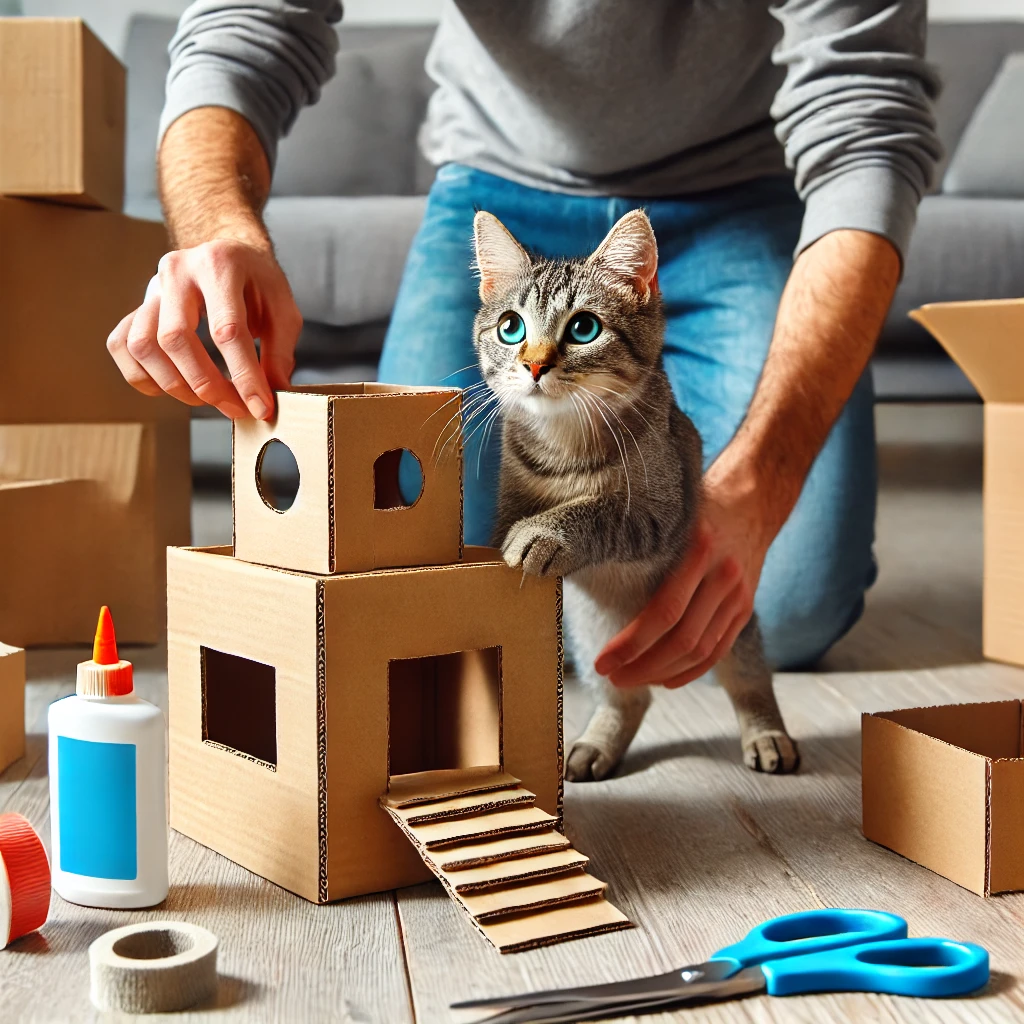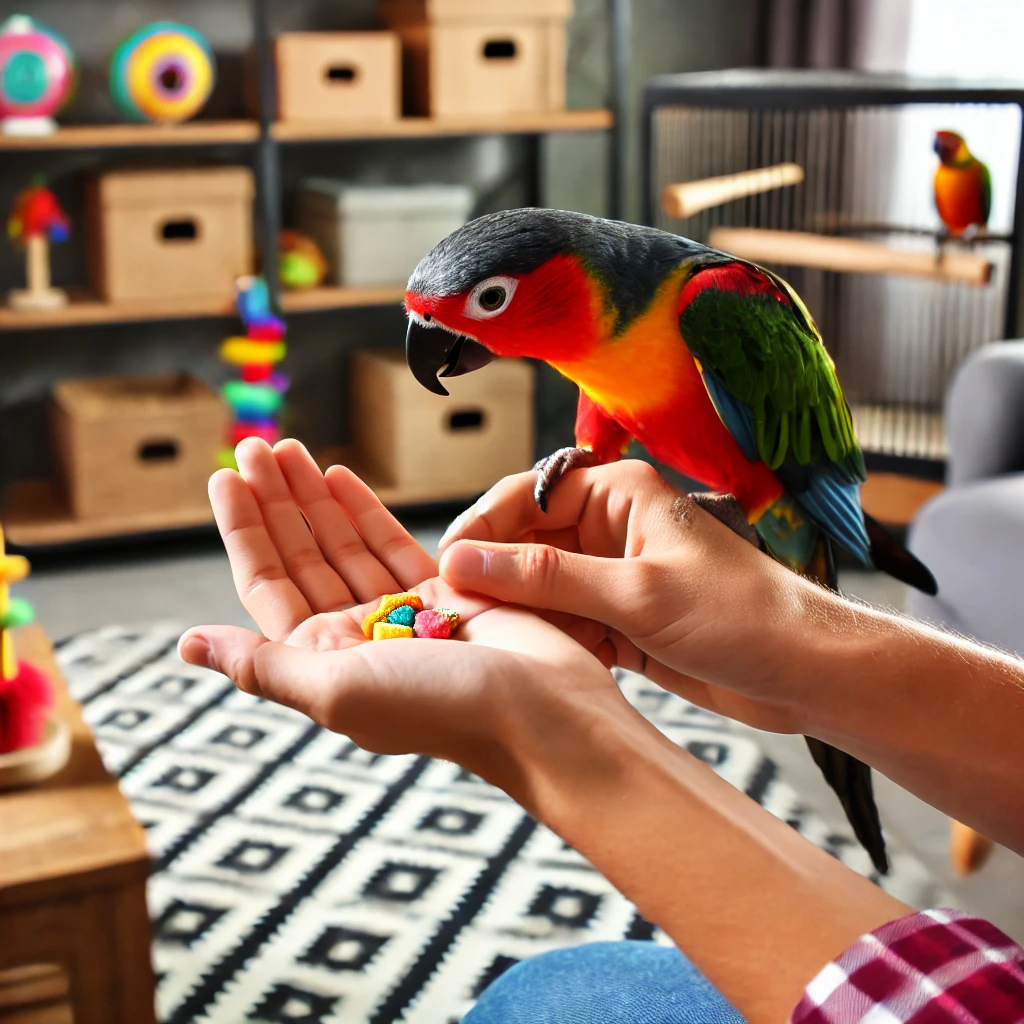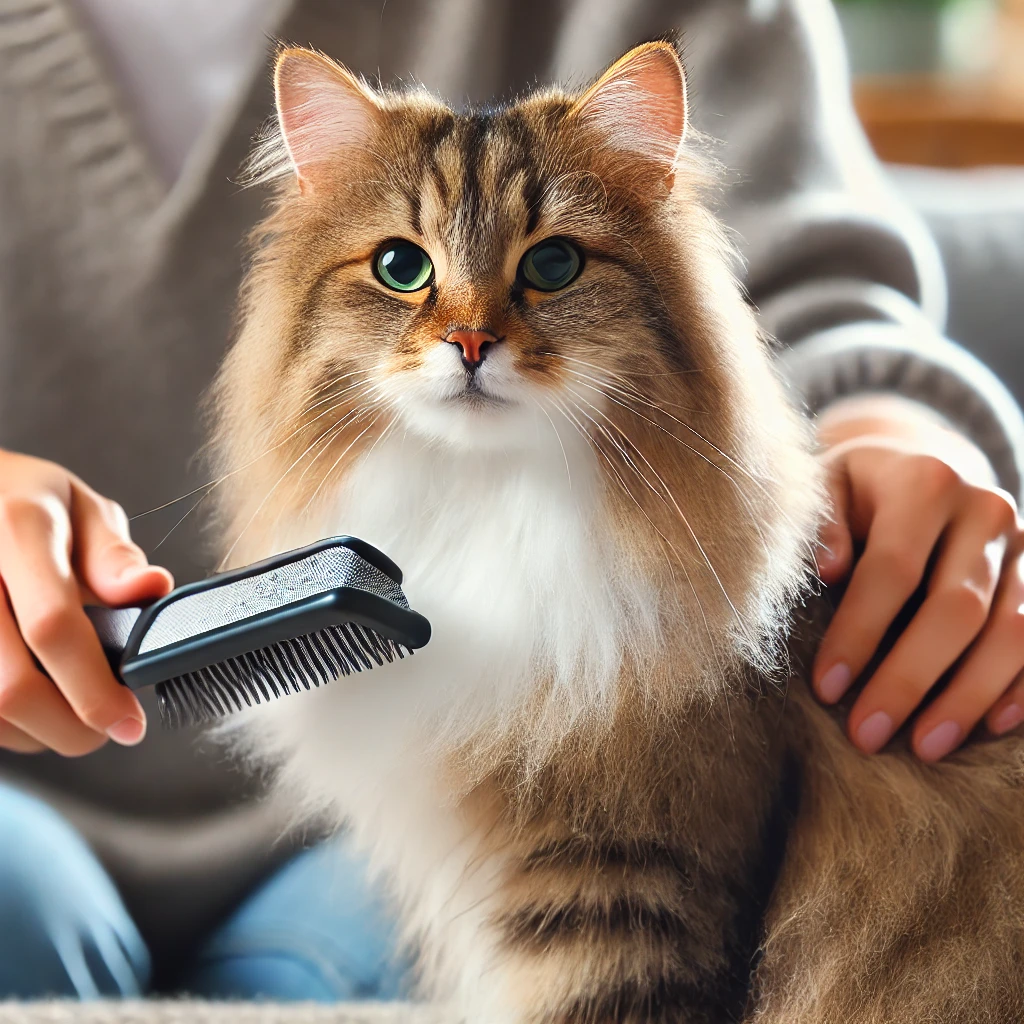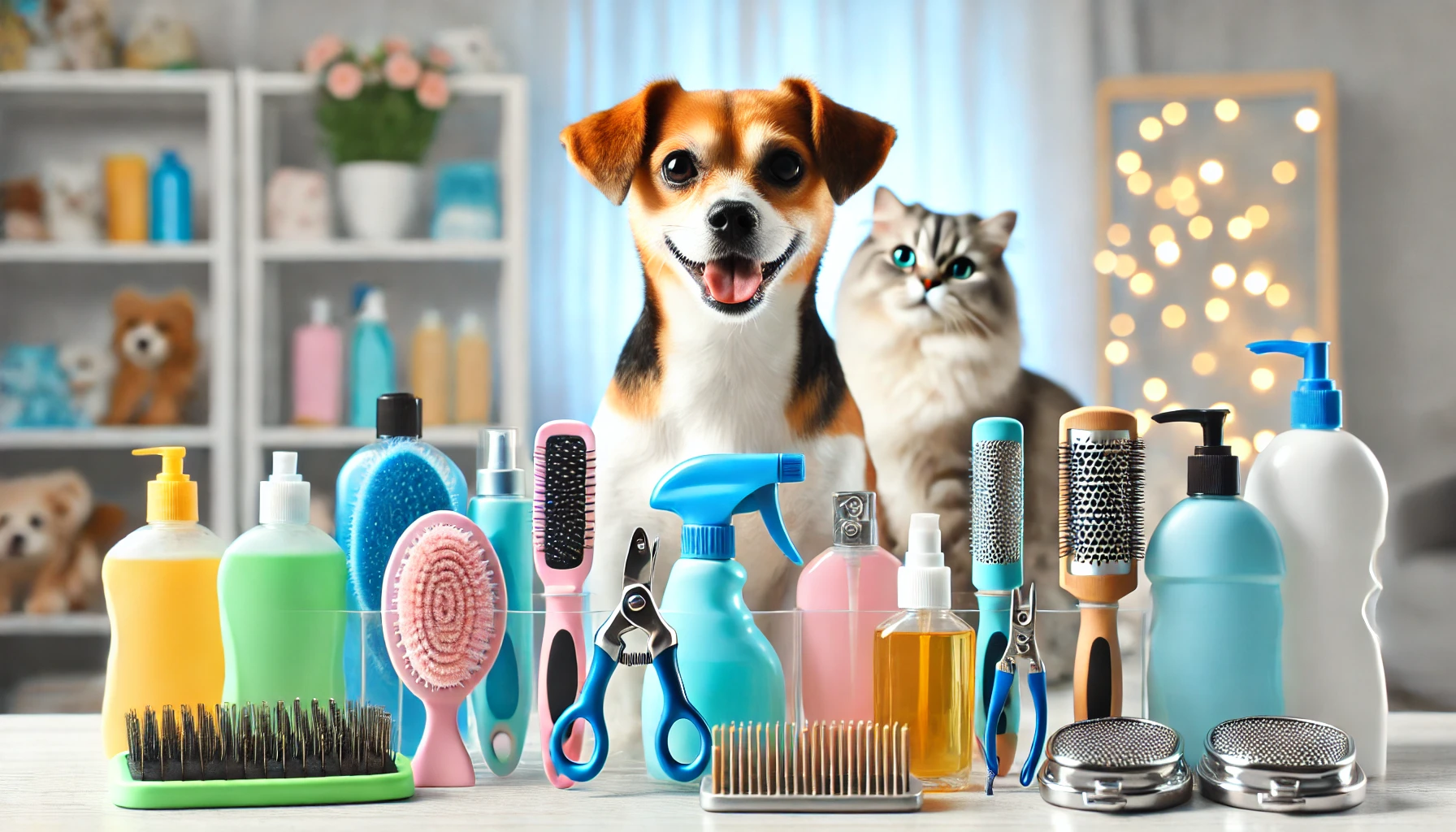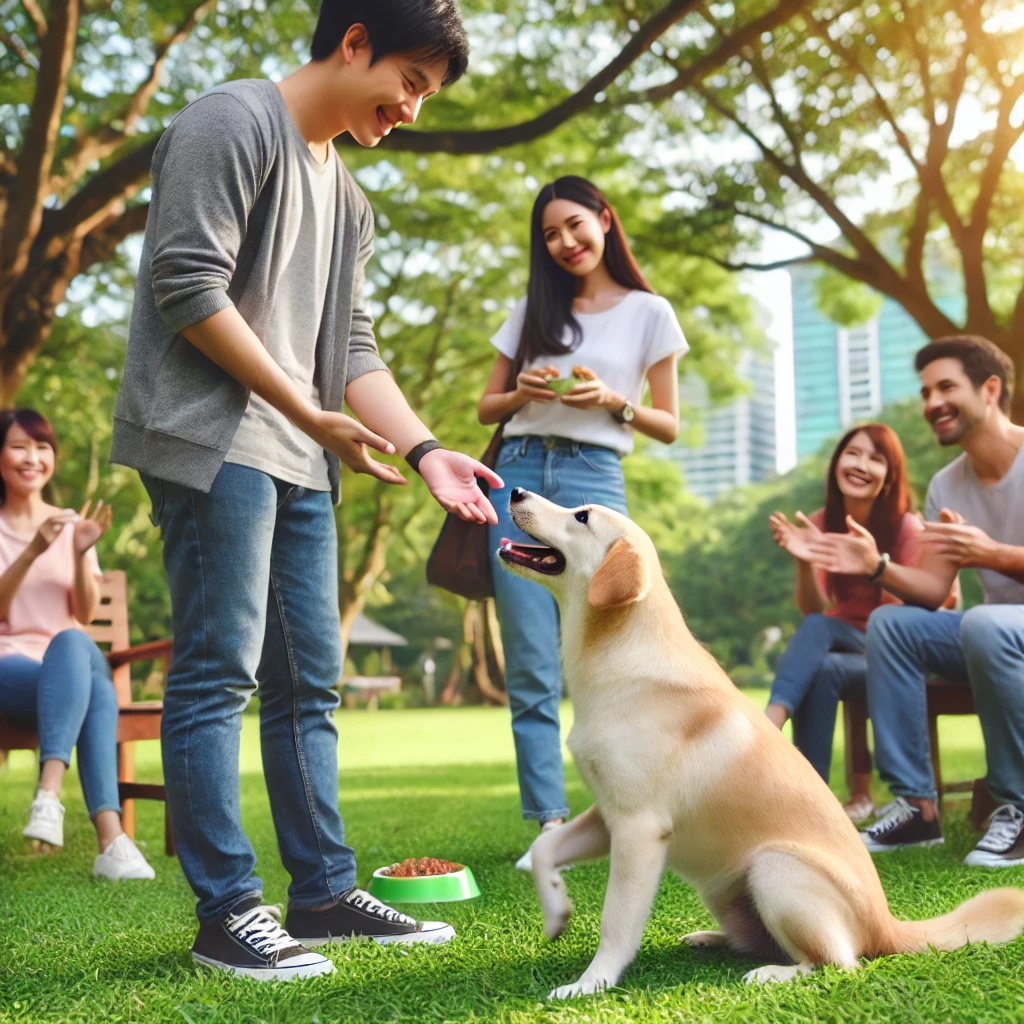
Socializing your pet is essential for their overall well-being and helps them become well-adjusted, confident, and friendly companions. Proper socialization can prevent behavioral issues and make your pet more comfortable in various situations. Here are effective training tips for socializing your pet:
Start Early
Early Exposure
- Puppies and Kittens: The critical socialization period for puppies is between 3 to 14 weeks of age, and for kittens, it's between 2 to 7 weeks. During this time, expose them to different people, environments, sounds, and other animals.
- Solution: Introduce your young pet to various stimuli in a controlled and positive manner. Ensure that all experiences are gentle and non-threatening.
Gradual Introduction
Controlled Environments
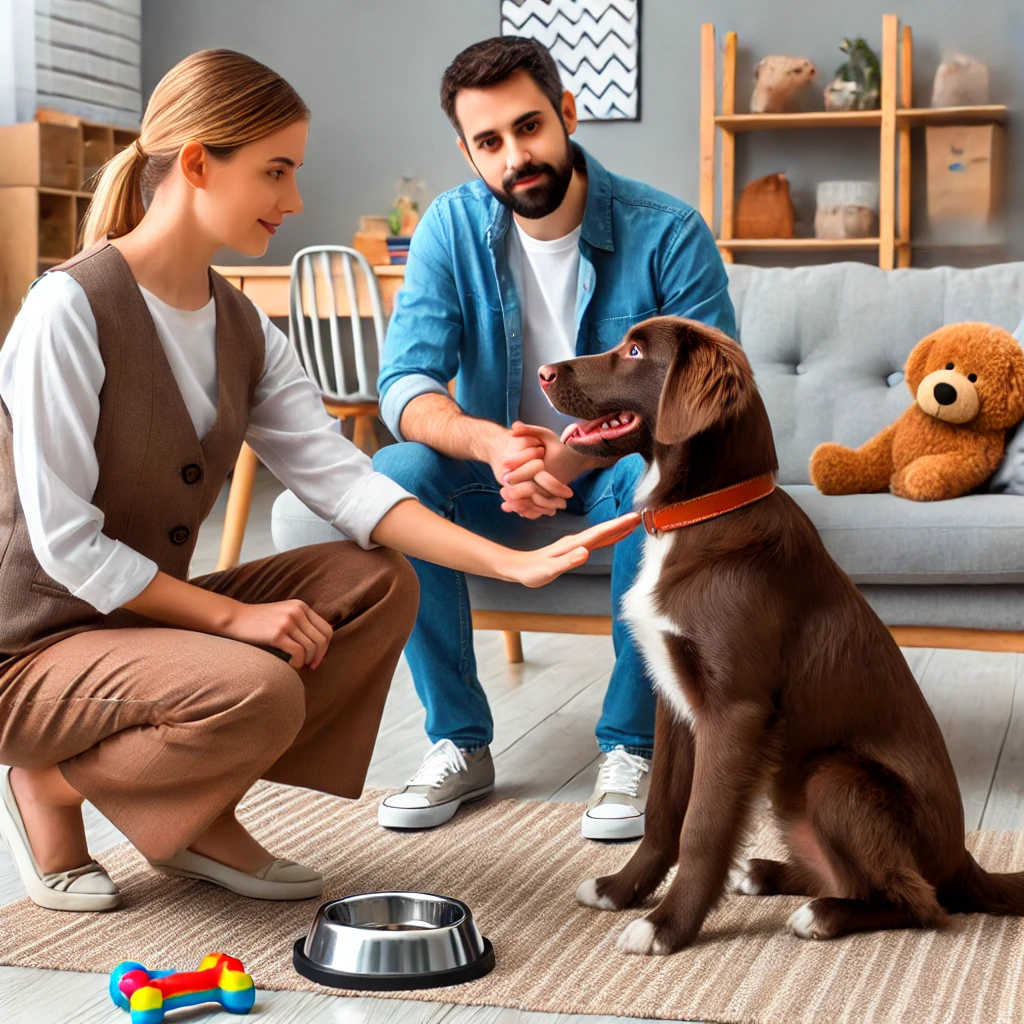
- New People: Start by introducing your pet to new people one at a time. Allow your pet to approach at their own pace and reward them with treats and praise for calm behavior.
- Solution: Avoid overwhelming your pet with too many new faces at once. Gradually increase the number of people as your pet becomes more comfortable.
- Other Animals: Begin with calm and friendly animals. Arrange playdates with well-socialized pets to create positive interactions.
- Solution: Monitor all interactions closely to prevent any negative experiences. Reward your pet for calm and friendly behavior.
Use Positive Reinforcement
Rewards and Praise
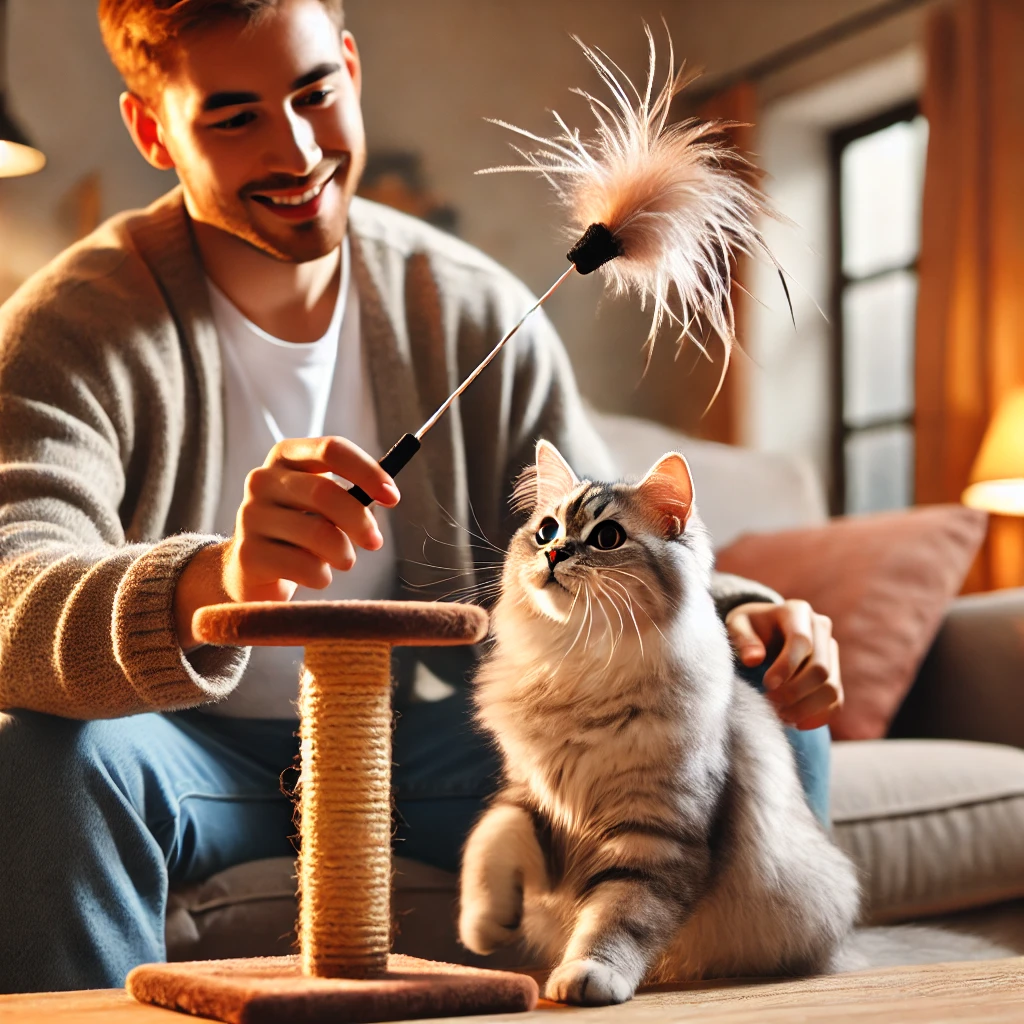
- Treats and Toys: Use your pet’s favorite treats and toys to reward them for positive social interactions. This helps them associate new experiences with positive outcomes.
- Solution: Consistently reward your pet immediately after they display desired behavior during socialization.
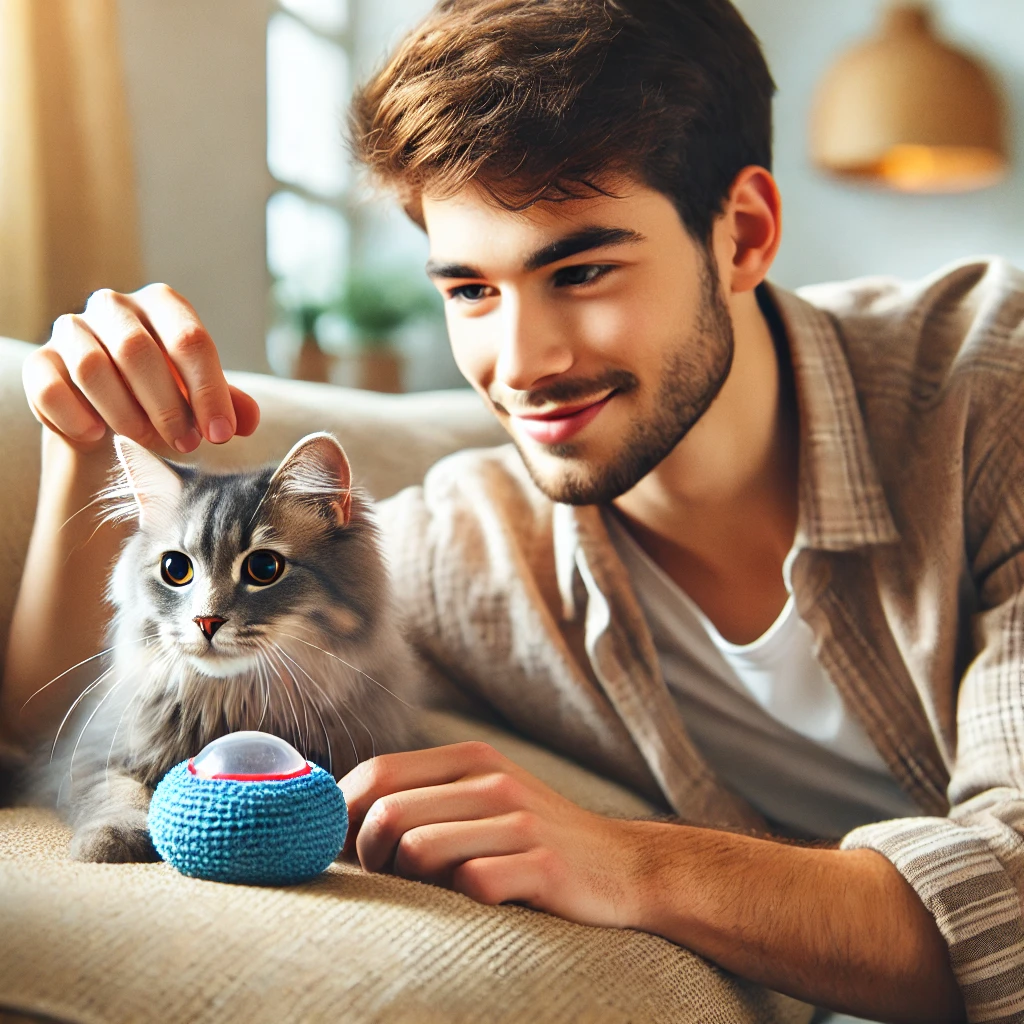
- Verbal Praise: Compliment your pet with a cheerful voice and pet them gently to reinforce positive behavior. This builds their confidence and trust.
Controlled Socialization
Managing Interactions
- Leashed Introductions (Dogs): When introducing your dog to new dogs or people, keep them on a leash initially. This allows you to control the situation and prevent negative interactions.
- Solution: Gradually allow more freedom as your dog becomes comfortable. Reward calm and friendly behavior with treats and praise.
- Safe Spaces (Cats): Provide a safe space for your cat during socialization. Allow them to observe new people or animals from a distance until they feel secure.
- Solution: Use treats and toys to encourage your cat to explore and interact at their own pace.
Exposure to Various Environments
Diverse Experiences
- Different Locations: Take your pet to various locations such as parks, pet-friendly stores, and friends’ houses. Exposure to different environments helps reduce fear and anxiety.
- Solution: Start with less crowded places and gradually introduce busier environments as your pet becomes more confident.
- Sounds and Sights: Expose your pet to different sounds and sights, such as traffic, household appliances, and nature sounds. Gradual exposure helps them become accustomed to new experiences.
- Solution: Use positive reinforcement to reward calm behavior in response to new stimuli.
Consistency and Patience
Building Confidence
- Regular Socialization: Make socialization a regular part of your pet’s routine. Frequent positive interactions help reinforce good behavior and build confidence.
- Solution: Schedule regular playdates, outings, and exposure to new environments to maintain socialization progress.
- Patience: Be patient and understanding. Every pet learns at their own pace, and it’s important to support them through the process.
- Solution: Avoid forcing interactions. Allow your pet to approach new experiences at their comfort level.
Monitoring and Adjusting
Observing Behavior
- Watch for Stress Signs: Monitor your pet for signs of stress or discomfort, such as excessive panting, whining, or hiding.
- Solution: If your pet shows signs of stress, take a step back and reintroduce the situation more slowly.
- Adjusting Techniques: Be flexible with your approach. If a particular method isn’t working, try a different technique that suits your pet’s personality.
- Solution: Consult a professional trainer or behaviorist if you encounter persistent issues.
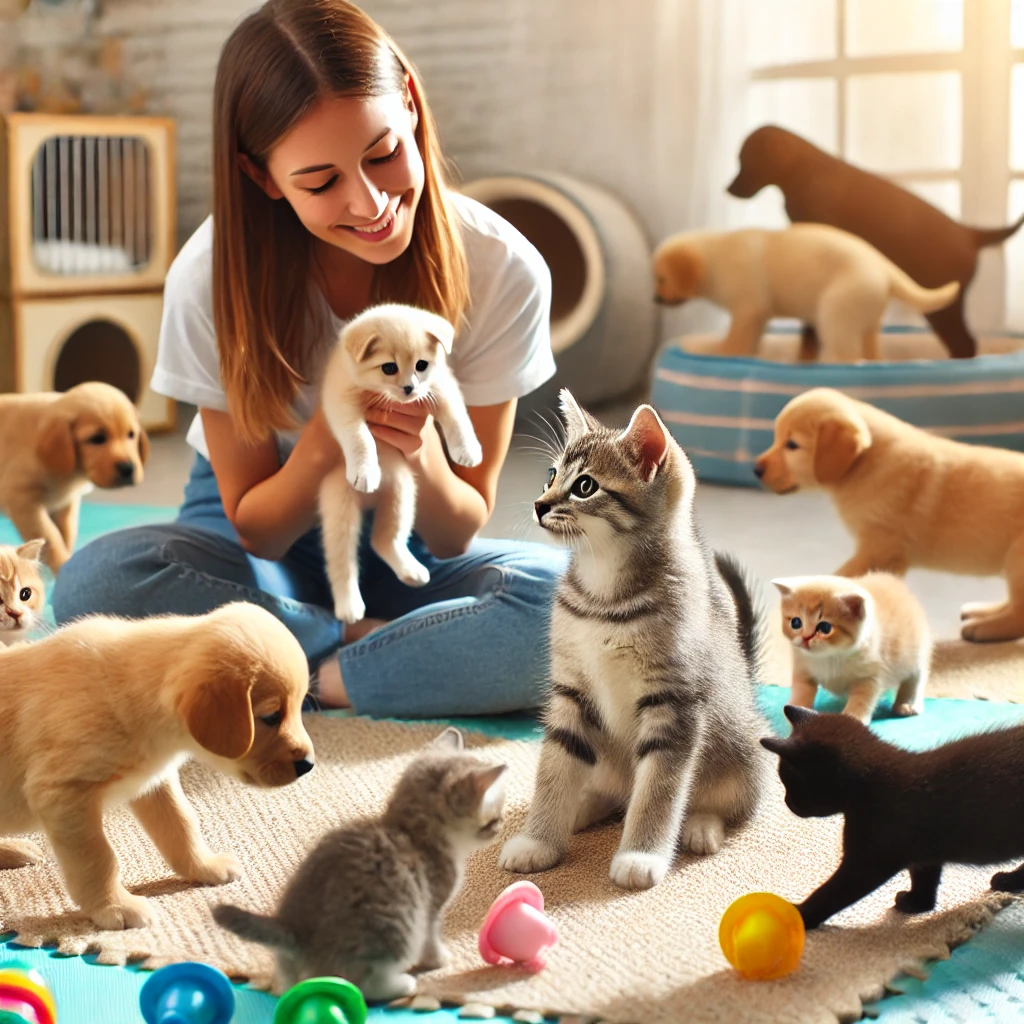
Socializing your pet requires patience, consistency, and positive reinforcement. By following these training tips, you'll help your pet become well-adjusted and confident in various situations. Remember, every pet is unique, so stay flexible and attentive to your pet’s needs as you find the most effective socialization methods.