Traveling with Pets: How to Make It Stress-Free
Traveling with pets can be a rewarding experience, but it requires careful planning to ensure it is stress-free for both you and your furry companion. I'm David Harris, a Veterinary Consultant with over 10 years of experience, and today I’ll provide you with evidence-based tips and professional advice to make traveling with your pet as smooth as possible. Whether you're planning a road trip or flying to a new destination, these guidelines will help you prepare and care for your pet during your journey.
Pre-Travel Preparation
1. Health Check and Documentation
Before embarking on your journey, ensure your pet is in good health and has the necessary documentation.
Steps to Follow:
- Visit the Vet: Schedule a check-up to confirm your pet is healthy and up-to-date on vaccinations.
- Obtain Health Certificates: If traveling internationally or across state lines, you may need a health certificate issued by your veterinarian.
- Microchip and ID Tags: Ensure your pet is microchipped and wears an ID tag with your contact information.
Professional Advice: A study by the American Veterinary Medical Association (AVMA) highlights the importance of health checks and vaccinations to prevent disease transmission during travel.
Choosing the Right Carrier
2. Selecting an Appropriate Carrier
A suitable carrier is essential for your pet’s comfort and safety during travel.
Carrier Guidelines:
- Size: Choose a carrier that allows your pet to stand, turn around, and lie down comfortably.
- Ventilation: Ensure the carrier has adequate ventilation.
- Security: The carrier should be sturdy and have secure fastenings.
Evidence-Based Tip: The International Air Transport Association (IATA) recommends specific carrier standards for air travel to ensure pet safety.
Road Travel Tips
3. Safe Car Travel
When traveling by car, take measures to keep your pet safe and comfortable.
Tips for Car Travel:
- Secure the Carrier: Place the carrier in a secure location, such as the back seat, and use seat belts to prevent movement.
- Frequent Breaks: Stop every few hours to allow your pet to stretch, relieve themselves, and drink water.
- Avoid Leaving Pets Alone: Never leave your pet alone in the car, especially in hot or cold weather.
Professional Insight: The American Automobile Association (AAA) advises against letting pets roam freely in the car, as it can be dangerous in the event of sudden stops or accidents.
Air Travel Tips
4. Flying with Pets
Air travel requires additional preparation to ensure your pet’s safety and comfort.
Air Travel Tips:
- Check Airline Policies: Different airlines have varying policies regarding pet travel. Confirm the requirements and restrictions in advance.
- Book Direct Flights: Choose direct flights to minimize travel time and reduce stress.
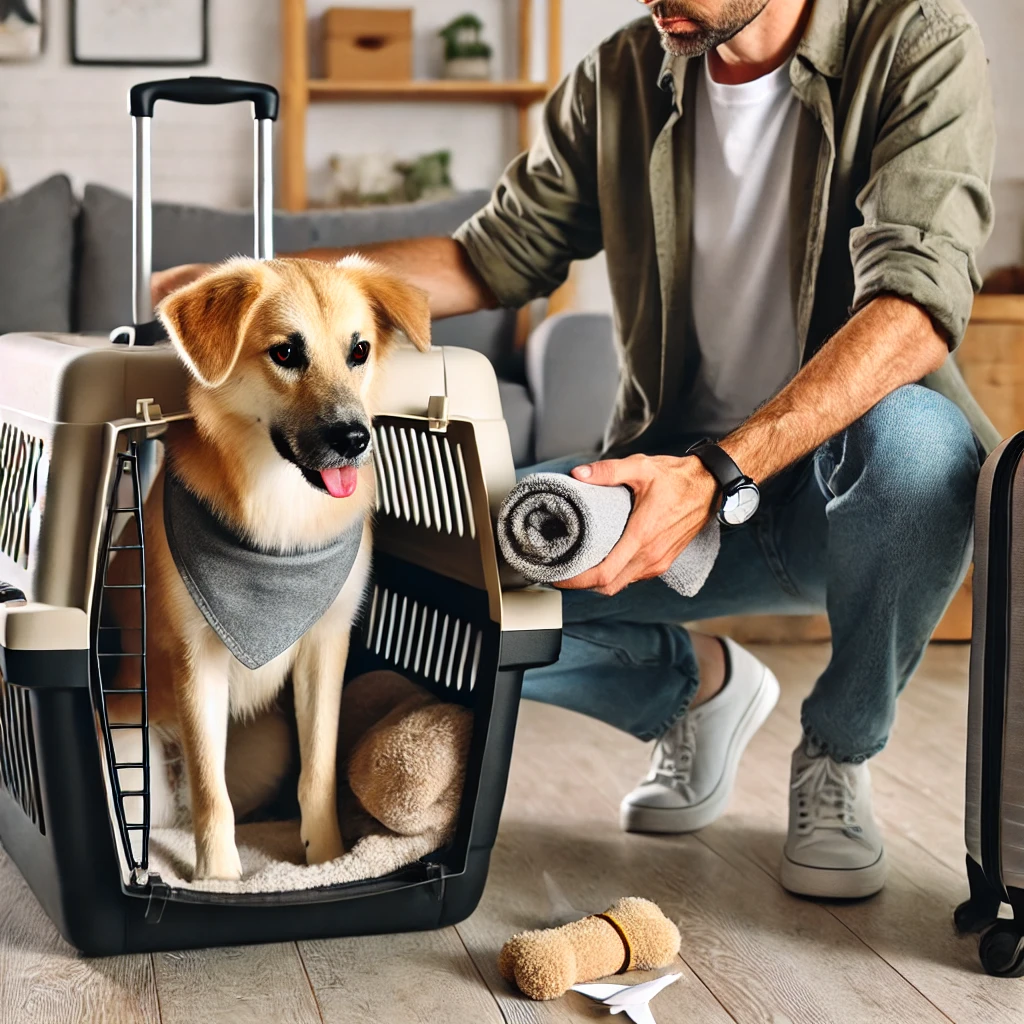
- Acclimate Your Pet: Familiarize your pet with their carrier before the trip by allowing them to spend time in it at home.
Evidence-Based Tip: The Humane Society of the United States recommends avoiding air travel for pets in the cargo hold due to the potential for extreme temperatures and rough handling.
Comfort and Well-Being
5. Ensuring Comfort
Keep your pet comfortable and calm during the journey.
Comfort Tips:
- Familiar Items: Bring along your pet’s favorite blanket or toy to provide a sense of familiarity.
- Calm Environment: Maintain a calm demeanor, as pets can pick up on their owner’s stress.
- Hydration and Feeding: Ensure your pet has access to water and avoid feeding them right before travel to prevent motion sickness.
Professional Insight: A study published in the Journal of Veterinary Behavior found that familiar items and a calm environment significantly reduce travel-related stress in pets.
Accommodation Arrangements
6. Pet-Friendly Lodging
Plan ahead to find pet-friendly accommodations that meet your needs.
Lodging Tips:
- Research Hotels: Look for pet-friendly hotels and read reviews from other pet owners.
- Check Policies: Confirm any additional fees, pet size restrictions, and rules regarding pet behavior.
- Emergency Contacts: Identify local veterinary clinics near your accommodation in case of emergencies.
Evidence-Based Tip: The American Pet Products Association (APPA) survey found that more hotels are accommodating pets, making it easier to travel with your furry friend.
Post-Travel Care
7. After the Journey
Once you’ve reached your destination, take steps to help your pet adjust.
Post-Travel Tips:
- Routine: Re-establish your pet’s normal routine as soon as possible.
- Explore Safely: Allow your pet to explore their new environment under supervision.
- Monitor Health: Keep an eye on your pet for any signs of stress or illness and consult a vet if needed.
Professional Advice: Gradually introducing your pet to new surroundings can help reduce anxiety and ensure they feel secure in their new environment.
Traveling with your pet can be a positive and enjoyable experience with the right preparation and care. By following these expert tips, you can ensure a stress-free journey for both you and your furry companion. If you have any specific questions or concerns, don’t hesitate to reach out to your veterinarian for personalized advice.
David Harris, Veterinary Consultant

















Leave A Reply
Your email address will not be published.*